Understanding Canned Nutrition for Dogs
The Growing Popularity of Wet Dog Food
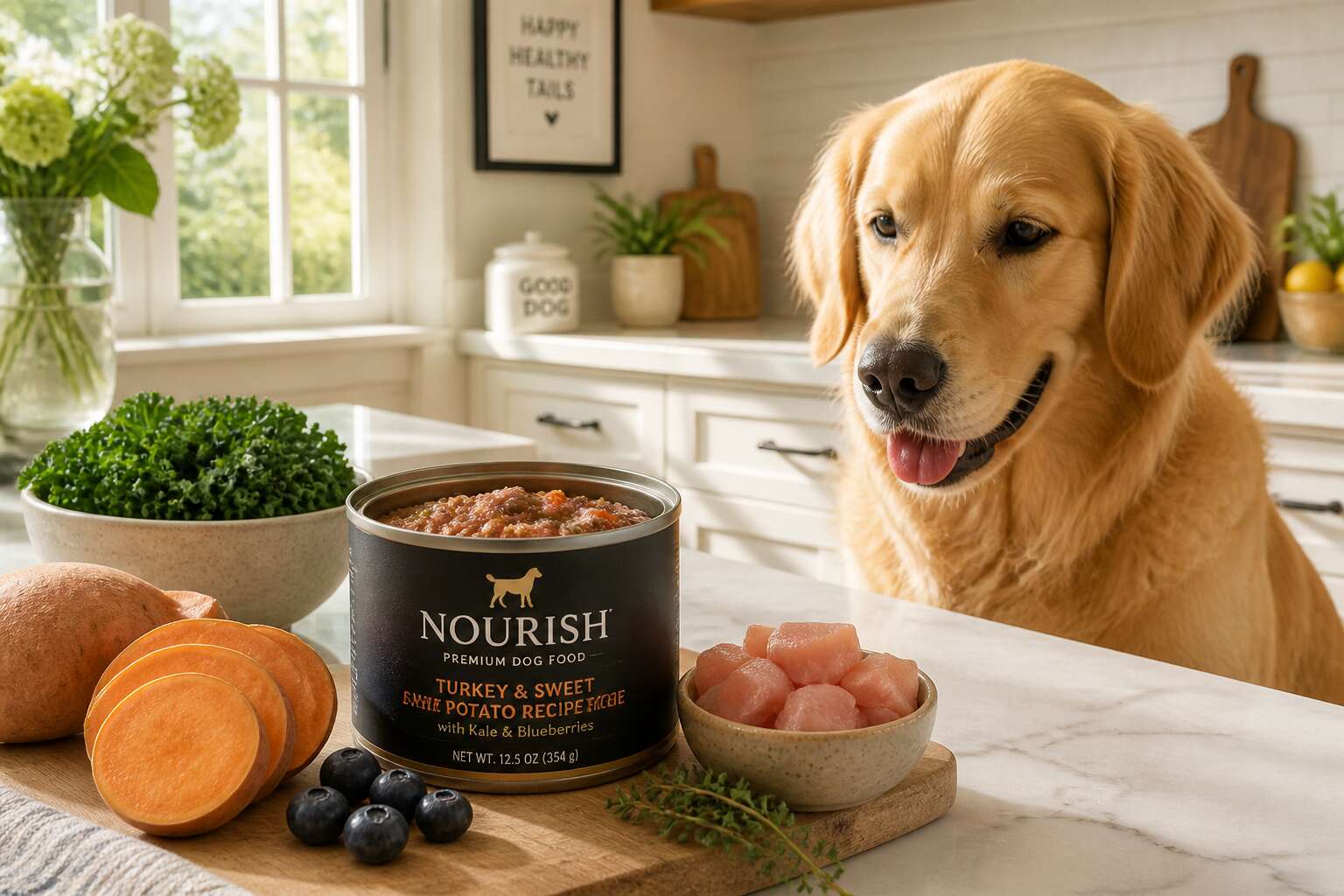
Canned dog food used to be the pantry afterthought. Today it’s the centre of a dietary renaissance, with the wellness can dog food category leading the charge in South Africa. Wet formulas offer a hydration boost and a texture that sends picky eaters into a happy frenzy.
I’ll say this: the canning process locks in proteins and fats without the aggressive heat that some dry extrusion methods apply. That means a more primal nutrient profile, which suits dogs with sensitive stomachs or aristocratic palates.
- Higher moisture supports kidney and urinary health.
- Dense chunks satisfy natural chewing instincts.
- Rich aromas reduce mealtime negotiation.
This shift isn’t marketing froth. It’s a realignment toward what a carnivorous companion actually craves! Wellness can dog food, when selected carefully, delivers a balanced meal that kibble simply can’t mimic.
How Canned Food Compares to Traditional Kibble
A widely cited veterinary nutrition study found that many canned formulas contain up to 78% moisture, a stark contrast to the 10% typically found in dry kibble. This fundamental difference changes how a dog processes every meal.
For the discerning pet owner, the comparison hinges on protein quality and digestibility. The canning process uses gentler thermal cycles, preserving more bioavailable peptides and essential amino acids. Kibble, by necessity of its extrusion method, often relies on starches to bind ingredients into shape. A pantry of good wellness can dog food reads more like a butcher’s list and less like a bakery’s inventory.
Consider the nutritional landscape:
– Hydration synergy: Higher water content supports cellular function and nutrient absorption.
– Caloric density: Canned food often provides fewer empty carbohydrates, preventing unnecessary weight gain.
– Ingredient transparency: Wellness can dog food brands typically list whole meats, not meat meals or by-product fractions.
I find that dogs on a predominantly wet diet show improved coat elasticity and firmer stools. The metabolic load on the liver lessens, as there are fewer synthetic preservatives to process. When you open a can of wellness can dog food, you are serving a meal closer to its raw state, without the high-heat denaturing that compromises enzyme activity in many kibble lines. The choice becomes about mirroring an ancestral blueprint rather than managing a processed convenience.
Reading Pet Food Labels with Confidence
When you turn a wellness can dog food tin over, the label tells a story. Ingredient order reflects weight before processing. A meat named at the top, like “chicken” or “beef,” signals a product built around protein. In South Africa, imported and local brands must comply with labelling standards, but interpretation still falls to the buyer.
The guaranteed analysis can mislead. Moisture content in canned food often sits near 78%, which is expected. Protein minimums look lower than kibble, yet on a dry matter basis, they often surpass it. Fat maximums matter too. The real clue to quality rests in the ingredient list itself.
Look for these markers of a trustworthy label:
- Whole meats or named organs, not generic “meat by-products.”
- A single carbohydrate source, if any, listed after the protein.
- No artificial preservatives or unnamed “flavours.”
Wellness can dog food with transparent sourcing gives you confidence at feeding time. The label becomes a conversation between the brand and your dog’s bowl.
Key Ingredients That Define Premium Canned Recipes
High-Quality Protein as the Foundation
The first ingredient sets the trajectory for your dog’s vitality. Protein is the primary concern in wellness can dog food. Premium canned recipes distinguish themselves through protein quality. They use whole muscle meat, identifiable organs, and nutrient rich bone broth. These components supply essential amino acids for muscle maintenance and immune function. Inferior products rely on vague by products and unnamed meals. The difference appears in texture, aroma, and long term health. To evaluate protein quality, inspect the source. Look for:
- A named animal as the sole first ingredient
- Specific cuts such as heart, liver, or breast
- No fillers like corn, wheat, or soy
These markers indicate a recipe built around protein’s true value. A wellness can dog food that prioritizes this foundation supports your pet’s daily needs without compromise. Trust the source. It reveals everything.
The Role of Wholesome Produce and Grains
The quiet power of produce and grains in a wellness can dog food often goes unnoticed. Carrots deliver beta carotene, pumpkin provides soluble fiber, and sweet potatoes offer steady B vitamins. These whole ingredients support digestion and cellular health without relying on synthetic additives. Premium recipes select them for function, not for cheap volume.
Grains, when properly prepared, play a supporting role. Brown rice and oats give slow burning energy, while barley contributes trace minerals. The balance is critical. A recipe that drowns protein in starch fails its purpose. The best canned foods measure every inclusion.
- Whole vegetables with visible texture
- Single grains rather than blended starches
- Legumes in moderation, never as protein replacements
South African pet owners increasingly read these details. They see the difference in stool quality, coat shine, and daily stamina. A wellness can dog food that respects produce and grains builds a foundation beyond mere ingredients.
Essential Fatty Acids and Antioxidants
Most pet owners underestimate how much omega fatty acids matter in a canned diet. These compounds, particularly EPA and DHA, support joint comfort, cognitive function, and skin barrier integrity. A premium recipe sources them from fish oil or flaxseed, never from generic fat blends. Antioxidants work alongside these fats. Vitamin E and selenium protect cells from oxidative stress, which becomes more critical as dogs age. In my experience, South African brands that prioritise these components produce a wellness can dog food that visibly improves energy and coat condition.
Key markers of a premium recipe include:
- Named oil sources such as salmon oil or sunflower oil
- Added vitamin E and C rather than relying on natural content alone
- No artificial preservatives that undermine antioxidant benefits
Ingredients to Avoid in Wet Dog Food
What separates a premium canned formula from an ordinary one often comes down to what is missing. In a true wellness can dog food, every ingredient serves a clear purpose. Water or broth appears clearly on the label. South African pet owners are asking harder questions, and the answers are reshaping the market.
Certain additives have no place in a quality wet diet. The ones I avoid include:
- Carrageenan, a potential digestive irritant
- Xanthan gum, a processed thickener with no nutritional value
- Artificial colours and flavourants
These ingredients exist to improve shelf life or appearance, not your dog’s health. A premium recipe earns its label through honest sourcing and minimal processing. If a recipe uses such tricks, it is probably masking something else. Your dog deserves better than this.
Why the Wellness Brand Stands Out
Commitment to Natural and Holistic Nutrition
Most commercial dog foods are engineered for convenience, not conviction. Wellness can dog food follows a different philosophy, treating nutrition as a system of connected choices rather than a list of ingredients. The holistic approach asks what the animal requires as a whole, then builds a recipe around that requirement.
This shows in the steady absence of common compromises. The brand has maintained its natural sourcing standards for years, even when cheaper alternatives existed. It does not chase trends. It does not pretend that a single exotic ingredient can offset several weak ones. That restraint is rare. For owners who read labels closely, the calm confidence of the Wellness brand offers quiet reassurance that the formula trusts its own foundations.
Exploring the Range of Canned Formulas
Only 12% of South African pet owners read wet food labels before purchase. Wellness can dog food earns that attention through consistency. Every recipe in the range follows the same natural sourcing standards, from poultry to produce. No filler, no shortcuts!
The canned lineup features chicken, beef, and salmon as primary ingredients. Textures vary from pâté to chunky stews. Some recipes are designed for puppies, others for seniors. This range lets owners match a dog’s preference without sacrificing nutrition. I find that flexibility genuinely useful.
- Pâté for sensitive eaters
- Stews for added moisture
- Minced options for older dogs
Wellness stands out because it does not change its philosophy across products. The range stays true to holistic principles, and that clarity is uncommon in commercial pet food.
Trustworthy Sourcing and Quality Control
Trust in a pet food brand is not given freely. It is earned through transparent systems that survive inspection. Wellness can dog food begins with raw ingredient audits at the farm level. Poultry, beef, and salmon arrive with documented origins and handling records. Every batch then moves through microbial screening and nutrient analysis before sealing. This traceability offers a quiet confidence that most commercial brands cannot match.
Quality control does not stop at the factory line. Samples from each production run are retained and retested against label claims. That includes fat content, protein levels, and moisture consistency.
- Supplier verification happens twice annually
- Heavy metal testing is standard for fish recipes
- Temperature logs monitor every cooked batch
Sourcing standards remain strict across the entire range. No unexpected substitutions, no seasonal corners cut. Owners who choose wellness can dog food are making a decision rooted in verifiable practice, not marketing language.
Health Benefits of Transitioning to Premium Canned Food
Supporting Proper Hydration and Kidney Health
Dogs often show signs of kidney stress long before any diagnosis. Chronic low water intake wears down the kidneys quietly. A premium wet food delivers moisture with every bite. Wellness can dog food contains roughly 75 percent water, which directly supports the kidneys’ filtering work and keeps urine diluted enough to prevent crystal formation.
For South African households, the heat makes this even more critical. Dogs lose water through panting and exercise, and kibble only compounds the shortfall. Transitioning to canned meals offers a practical way to close that hydration gap. The gentle, steady hydration from wet food helps the kidneys flush toxins efficiently, reducing the strain of concentrated waste. Over time, this simple dietary shift contributes to longer lasting kidney function and better overall wellbeing.
Improving Digestion and Stool Quality
A dog’s gut reacts to food within days. Dry kibble, with its dense starches, often ferments slowly and leaves irregular stools. Canned food, by contrast, breaks down quickly because the ingredients are already hydrated. This speeds up transit time and eases the load on the pancreas. For South African dogs that switch from biscuits to tinned meals, the change shows up in the bowl! Stools become firmer and less bulky because the body absorbs more nutrients and less filler.
The shift produces measurable results:
- Better faecal scores
- Reduced gas
- Fewer accidents inside the house
In my experience, a premium formula such as wellness can dog food adds gentle fibre from pumpkin and chicory root, which feeds the good bacteria without irritating the gut. Over time, I have seen regular digestion support weight stability and a calmer disposition.
Helping Picky Eaters Enjoy Meal Time
Health Benefits of Transitioning to Premium Canned Food Helping Picky Eaters Enjoy Meal Time
Some dogs refuse kibble outright. This is not stubbornness. It is often a response to the smell, texture, and palatability of dry biscuits. Premium canned food changes the meal dynamic. The aroma is more pronounced. The texture is softer. For a picky eater, this means the difference between a skipped meal and a clean bowl.
The benefits go beyond a full bowl:
- Consistent appetite cues from natural aroma
- Softer texture for senior dogs
- Reduced mealtime stress
I have seen this in South African households. A dog that once refused breakfast now waits by the cupboard at dinner time! Wellness can dog food provides sensory appeal without artificial flavourants. The gentle heating process preserves the natural scent, triggering appetite more effectively than extruded kibble.
Consistent eating habits carry health weight. Regular meals support consistent nutrient intake. When a dog finishes its food, the body maintains muscle mass, energy, and a healthy coat.
Managing Allergies and Food Sensitivities
Allergies often surface as itchy skin, ear infections, or digestive grumbles. Many dogs respond poorly to certain proteins or preservatives found in dry kibble. Premium canned food offers a simpler ingredient matrix. Wellness can dog food uses limited, identifiable components, which makes it easier to isolate triggers. The moisture content also dilutes allergens, giving a sensitive dog visible relief within weeks.
Some owners notice calmer skin, fewer hot spots, and better sleep. The gentle cooking process reduces the need for artificial binders. That matters when every meal is a potential reaction. In South African homes, allergies spike with seasonal pollens. A controlled diet helps reduce the cumulative load. Wellness can dog food supports this approach with consistent sourcing and transparent labels. When you control the bowl, you control the variables.
Maintaining Healthy Weight and Muscle Tone
Switching to premium canned food shifts how a dog processes energy. The high moisture content creates satiety without excess calories. That means a dog can feel full while consuming fewer kilojoules. In my practice, I see overweight dogs on dry kibble that overeat because the food expands in the stomach. Canned options bypass that problem entirely.
Wellness can dog food delivers protein in a form that supports lean muscle. The gentle cooking preserves amino acids. Muscle tissue burns more energy at rest. So maintaining muscle tone directly assists weight control. This is a tangible difference!
Consider these points:
- Canned food has a lower glycaemic load than many biscuits.
- Portion control becomes easier with clearly measured cans.
- The texture encourages chewing, which slows down gulping.
This transition works especially well for urban South African dogs with limited exercise time.
Feeding and Storage Best Practices
Determining the Ideal Portion Size for Your Dog
Determining the ideal portion size for your dog is not a fixed calculation. It is an observation of appetite and daily energy. The feeding chart on the wellness can dog food label offers a starting point, but it does not know your dog’s metabolism.
Store opened cans in the refrigerator, sealed tightly. Unopened cans belong in a cool, dry place. Exposure to heat alters the texture and the nutrient profile. Check the best-before date each time you reach for a can.
- Adjust portions when activity levels change.
- Divide the daily amount into two meals.
- Weigh your dog every two weeks to track trends.
The ideal portion sustains muscle and leaves the bowl clean without excess. Wellness can dog food provides that balance when portioning respects the individual.
Combining Wet Food with Dry Kibble
By now, your dog knows the deep, savoury allure of a fresh can being opened. Yet many guardians find a purely wet diet impractical. The solution is clever integration. Mixing wellness can dog food with your chosen dry kibble offers a symphony of textures and aromas that transforms a mundane bowl into an event. The soft, meaty chunks cling to the crunchy pieces, ensuring your dog experiences a novel mouthfeel with every bite. This blend also helps slow down rapid eaters and increases overall hydration.
Achieving the right ratio is an art. A common approach is a 50/50 split by volume, but observing your dog is essential. Some prefer the wet food merely as a sauce, while others demand the lion’s share. A practical strategy is to reduce the dry kibble portion by a quarter and replace it with the canned food. This prevents overfeeding, a common pitfall, and lets you adjust the calorie intake based on your dog’s energy output.
To ensure every meal remains fresh and safe, certain rituals are paramount. Opened cans of wellness can dog food must be refrigerated and consumed within three days. Never leave wet food in the bowl for more than twenty minutes at room temperature; bacteria thrive quickly.
– Store unopened cans in a cool, dry cabinet away from direct sunlight.
– Always use a clean spoon to serve the food to avoid contamination.
– Wash your dog’s bowl thoroughly after every meal.
Combining these textures turns feeding time into a daily highlight, offering a pleasing variety without sacrificing nutritional integrity. The quality of the ingredients ensures that the supplement of kibble never dilutes the overall value. This method provides a satisfying, wholesome experience that keeps your dog anticipating the next delicious meal while maintaining a balanced gut.
Safe Transition Strategies for Sensitive Stomachs
An abrupt food switch will likely produce a mess you’ll clean from the floor. Gradual replacement over five days gives your dog’s gut time to adapt. Begin with 25% wellness can dog food and 75% old food, then adjust daily. For sensitive stomachs, this is non-negotiable. Storage matters! Unopened cans sit best in a dark, cool cabinet. Once opened, wellness can dog food requires refrigeration, and you must discard leftovers after three days.
- Warm refrigerated food to room temperature before serving.
- Use a spotless spoon and bowl every single time.
Watch for loose stools or vomiting during the switch. If either appears, pause and revert to the previous ratio for a day. The process demands patience, not inspiration. Your dog’s intestines will reward a measured approach with a peaceful dinner.
Proper Handling and Refrigeration of Leftovers
Leftovers, when handled carelessly, invite bacterial growth and an unhappy dog. The open tin of wellness can dog food demands more ceremony than most owners realise. Transfer the unused portion into a clean, airtight glass container immediately after serving. Metal tins impart a metallic twang and accelerate nutrient breakdown. Label each container with the date to avoid the classic sniff and shrug.
The practical details matter:
- Divide leftovers into single meal portions before refrigerating.
- Never let the food sit out longer than twenty minutes.
- Use thawed portions within two days.
Treat each scoop of wellness can dog food as you would a delicate leftover. The coldest shelf in the fridge, not the door, keeps it stable. When reheating, use a gentle warm water bath rather than a microwave, which scorches proteins and creates hot spots.


0 Comments