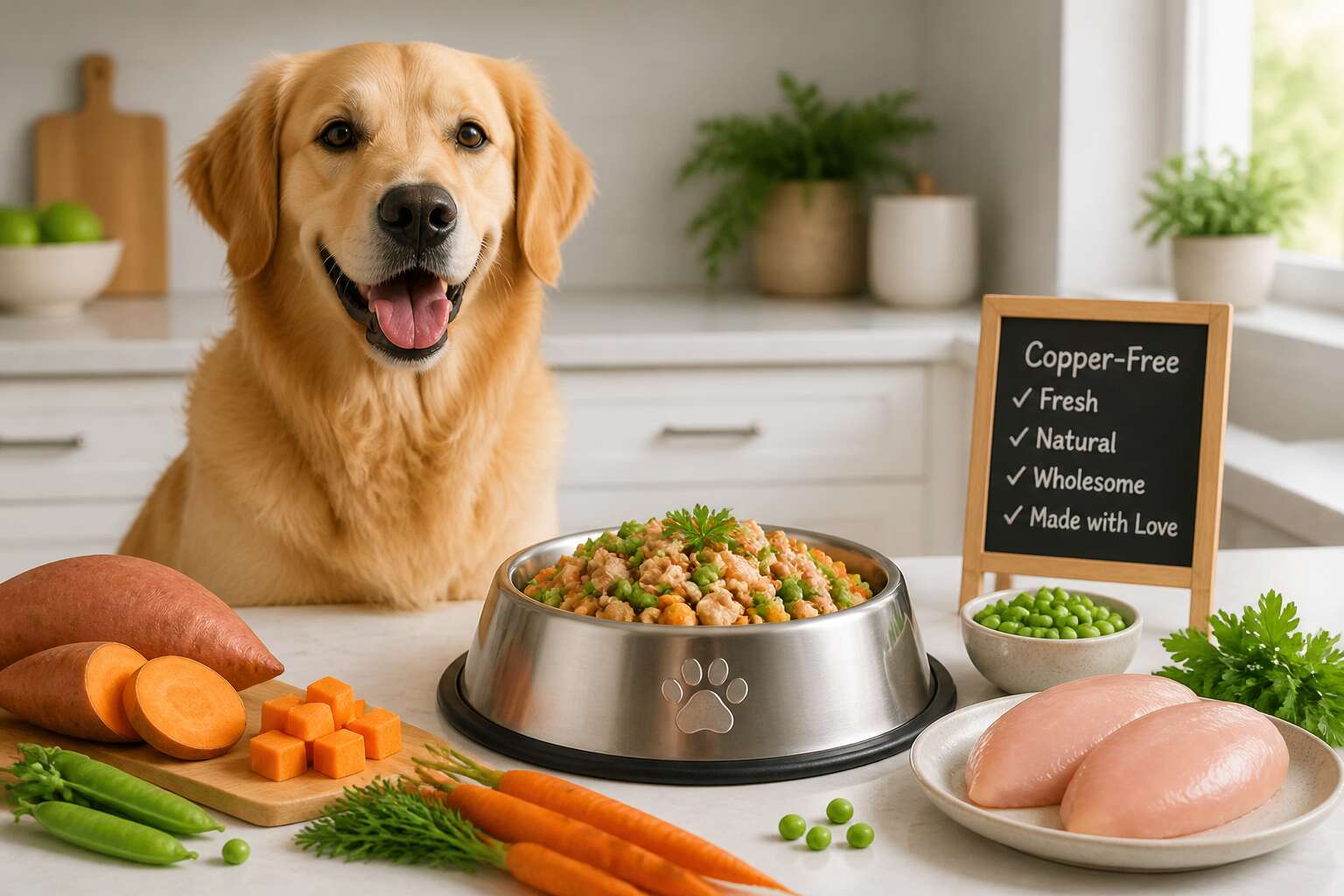
Understanding Copper in Canine Diets
The Role of Copper in Dog Health
When copper accumulates beyond a dog’s physiological need, the consequences are not subtle. The liver, that tireless chemical factory, begins to buckle under the metallic weight. Some breeds, such as the Bedlington Terrier and the Labrador Retriever, carry a genetic predisposition that makes them particularly vulnerable to copper storage disease. For these dogs, every meal becomes a balancing act between nourishment and potential toxicity. This is why a conversation about canine nutrition must include a serious look at dog foods without copper.
Copper serves a dual purpose in the body. It is essential for the formation of red blood cells, the health of connective tissues, and the proper functioning of the nervous system. Yet the margin between sufficient and excessive is a narrow ledge. Commercial diets often contain copper levels that far exceed the daily requirement, partly because they use mineral premixes designed for the average dog, not the sensitive one. The result is a silent accumulation that may take years to manifest in clinical symptoms like lethargy or jaundice.
The source of the problem is often hidden in plain sight. Organ meats, particularly liver, are copper-dense ingredients that many premium brands tout as a protein-rich bonus. However, for the copper-sensitive dog, these inclusions are a liability. When we examine ingredient lists looking for dog foods without copper, we need to consider the base recipe as well as the vitamin and mineral pack. Trace minerals added at the end of the manufacturing process are a common culprit.
Copper content can vary widely between bags, even within the same brand. This inconsistency stems from natural variation in raw ingredients. Soil conditions, water sources, and farming practices all influence the mineral profile of the meat and grains that go into the kibble. A dog with a diagnosed condition, or a breed known for sensitivity, deserves a diet with predictable and controlled mineral levels.
– Whole food sources like sweet potato and peas offer lower copper
– Novel proteins such as rabbit or duck may be safer
– Prescription diets often have stricter mineral specifications
Shifting to a lower copper approach requires keen label reading. The phrase “copper proteinate” or “copper sulfate” on the ingredient list signals a deliberate addition. We need to watch for those words. In South Africa, where veterinary nutrition is evolving rapidly, the awareness of copper toxicity is growing, yet the market for dog foods without copper remains niche. That is changing as breeders and veterinarians share clinical evidence. Choosing the right food is not merely a matter of preference, it can determine the trajectory of a dog’s long term wellbeing.
When Copper Becomes a Concern
Copper toxicity doesn’t announce itself with a loud bang. It whispers through elevated liver enzymes during a routine blood panel. I have watched owners dismiss those numbers until it’s too late. That’s when concern shifts from theory to practice. For a copper-sensitive dog, eliminating copper entirely is impossible; managing intake with precision becomes essential. This is where dog foods without copper become a practical solution.
- Repeatedly high ALT or AST readings
- Unexplained weight loss despite a healthy appetite
- A breed known for copper storage disease
Once those signs appear, every meal matters! The mineral form, the ingredient source, the dog’s own metabolic threshold. A diet low in copper becomes a protocol, not an option.
Conditions Requiring Copper Restriction
The liver’s role as a metabolic gatekeeper cannot be overstated, and in certain South African lines, genetic mutations quietly alter copper transport proteins. When this occurs, a standard commercial ration becomes a liability. Conditions requiring copper restriction aren’t limited to one pathology; they span congenital defects, acquired hepatopathies, and inflammatory sequelae that all converge on hepatic copper overload. For dogs exhibiting these challenges, strict dietary modification is the first line of defense. That is precisely why dog foods without copper have moved from specialty shelves to essential protocols. Specific cases include:
- Copper-associated hepatitis confirmed by biopsy
- Progressive hepatic fibrosis with elevated tissue copper levels
- Familial susceptibilities in breeds like Bedlington Terriers and Dobermans
Each scenario demands meticulous mineral auditing, because even trace amounts provoke pathological accumulation.
How Much Copper Is Too Much
A healthy adult dog needs roughly 7 milligrams of copper per kilogram of food. That same allocation becomes a liability when the liver cannot excrete the mineral. The margin between adequate and excessive is narrow, and it shifts with genetics, age, and dietary history.
Toxicological data places the maximum tolerable copper for healthy dogs around 40 milligrams per kilogram of dry matter. But clinical cases show that affected dogs develop hepatic damage well below that level. For a dog with copper storage disease, dog foods without copper are not a preference, they are a clinical necessity!
Veterinary nutritionists in South Africa are adopting these formulations with growing urgency, and I suspect the trend will only accelerate. The practical breakdown:
- Standard commercial kibble: 15 to 30 mg/kg of copper
- Typical hepatic support diets: 4 to 6 mg/kg
- Dedicated dog foods without copper: below 4 mg/kg
Identifying Low-Copper Ingredients
Naturally Low-Copper Protein Sources
Copper in dog food often comes from added mineral premixes, not the meat itself. Manufacturers frequently add copper sulfate to balance synthetic formulas, but a recipe built around whole ingredients might not need such fortification. The trick lies in reading the guaranteed analysis. If copper is listed as an added supplement, the source is likely an inorganic salt high in bioavailability. Fresh muscle meat from chicken, turkey, and duck naturally contains very little copper, which is why many brands lean on these bases for restricted diets.
Here is a fast guide to protein options ranked by typical hepatic copper content:
- Chicken breast and thigh meat
- Turkey (both white and dark meat)
- Duck and other waterfowl
Eggs deserve a mention here. They pack a solid protein punch with minimal copper, but the yolk does carry a small amount, so using only the white provides an even tighter control. The real danger lurks in organ meats like liver, which are copper powerhouses. A single ingredient list that includes liver will undo all your careful label reading. Stick to single-source proteins and verify the fat profile, since some poultry fats may be filtered through processing methods that introduce trace minerals.
Vegetables and Carbohydrates with Minimal Copper
With the protein settled, attention turns to what fills the bowl. Consider the humble potato. Across South African kitchens, it anchors low copper recipes without demanding attention. White rice and rolled oats work the same way, keeping the mineral load in check while providing digestible energy. These carbohydrates give structure, not complication.
Green beans, butternut, and carrots carry minimal copper while adding texture and colour. I have learned to trust these ingredients when searching for dog foods without copper. They deliver substance without raising the mineral tally.
- Peeled potatoes, boiled soft
- White rice, rinsed before cooking
- Rolled oats, cooked plain
- Steamed green beans, chopped
Each choice demands a second look at the label. Some commercial blends introduce copper through fortified vitamin packs, not whole vegetables. For those committed to dog foods without copper, a recipe naming sweet potato and rice as ingredients avoids that problem.
Ingredients to Avoid in Copper-Sensitive Dogs
A standard adult dog needs about 0.12 mg of copper per kilogram of body weight daily, yet many commercial foods deliver triple that amount. The culprit is rarely the main protein. It is the hidden additives and organ meals.
Identifying low copper ingredients starts with whole proteins like chicken and hake. The real skill lies in scanning the fine print. Dog foods without copper rely on clear recipes, so a label naming sweet potato and rice without a vitamin premix is a good sign. When copper appears, it often comes from liver, shellfish meal, nuts, or copper sulfate in fortified blends.
Reading labels with this list in hand reduces guesswork.
Reading Pet Food Labels for Mineral Content
Reading pet food labels for mineral content demands your patience! Copper sulphate, copper proteinate, and liver meal are common additions in fortified blends. These names signal added copper, while whole proteins and vegetables naturally contain only trace amounts. A short ingredient list with whole hake, rice, and carrots, and no vitamin premix, is a good indicator.
When evaluating dog foods without copper, check for these hidden sources:
- Copper gluconate or chelate
- Kidney or spleen meal
- Shellfish by-product
The absence of these terms points to a cleaner mineral profile. Labels rarely lie; they simply require a patient eye.
Hidden Copper Sources in Commercial Foods
Copper appears in unexpected corners of commercial kibble. South African shelves hold imported and local brands, each with a mineral premix that often includes copper sulphate or copper proteinate. These additions surface under names like copper gluconate or copper chelate. To identify dog foods without copper, examine the full ingredient list, not the front label. Hidden sources include:
- Liver meal, especially from beef or poultry
- Kidney or spleen meal
- Shellfish by-product, such as crab shell flour
- Copper chelate, a highly absorbable form
A recipe with a single animal protein and a simple carbohydrate, like hake and rice, rarely contains added copper. But some brands still include a mineral premix. The word ‘premix’ signals copper. Seek products that state ‘no added minerals’ or list each mineral explicitly. Even a trace amount from natural meat is fine, but added copper is not. Thus, the label reveals everything, if you have the patience to read.
Feeding Strategies for Copper-Sensitive Dogs
Home-Cooked and Fresh Meal Options
Home preparation returns control to the caregiver. When you cook for a copper-sensitive dog, every ingredient entering the bowl is visible and measured. Lean chicken breast, turkey, and egg whites provide protein foundations, while white rice and peeled potatoes offer starch energy. Organ meats, shellfish, and dark leafy greens concentrate copper, so they must stay out of the pan.
A sustainable home routine relies on three habits:
- Batch cook twice weekly and portion immediately.
- Rotate approved proteins to avoid nutrient gaps.
- Record every meal to monitor for subtle reactions.
For those seeking dog foods without copper, fresh cooking eliminates the uncertainty of hidden mineral sources. Filtered water matters too; old pipes can deposit trace copper into the bowl, and a simple change of drinking vessel reduces exposure further.
Limited-Ingredient Commercial Formulas
Limited ingredient commercial formulas serve a specific purpose. They cut the ingredient list to a bare minimum. That reduction matters for a copper sensitive dog. Most brands exclude organ meats and shellfish, which lowers the mineral load. The goal is a single protein and a single starch. The label reveals what is absent, and that is the point.
I have seen owners read the front of the bag with confidence and the back with confusion. That is a common social error. The guaranteed analysis holds the truth. A copper concentration below 7.3 mg/kg is the target, though not every brand discloses it. You want dog foods without copper, so phone the manufacturer if needed.
Limited ingredient does not guarantee zero copper. Rice bran and potato skin add trace amounts. The back label demands scrutiny, and filtered water remains a quiet safeguard.
Prescription and Veterinary Diets
When a blood test reveals elevated liver enzymes, the conversation shifts. Prescription and veterinary diets become the first line of defence. These therapeutic foods are formulated with a precise copper ceiling. Many are fortified with zinc, which rivals copper for absorption. That rivalry is the point.
Your veterinarian will distinguish a true low-copper therapeutic food from a merely restrictive one. The difference shows in clinical feeding trials. Options include:
- Guaranteed copper below 7 mg/kg on a dry matter basis.
- Low copper paired with added zinc to block uptake.
- Hydrolysed protein formulas for dogs with food sensitivities.
Prescription does not mean flawless. Rice polishings still slip into some formulas, carrying trace minerals. I have seen owners drive three hours to Johannesburg with a cooler full of frozen portions. A dog with copper storage disease needs steady meals. The goal is not any bag that says limited ingredient. Dog foods without copper are rare, and verified examples are rarer still.
Raw and Gently Cooked Alternatives
For dogs with copper storage disease, feeding strategies often move beyond the bag of kibble. Raw and gently cooked alternatives offer something dry commercial lines cannot: complete control over every mineral that enters the bowl.
Raw feeding requires vigilance. Muscle meat, organs, and bones must be selected from sources known to be low in copper. Liver, for instance, is a dense copper depot and should be measured carefully or omitted entirely. Gently cooked meals share this logic but add a layer of safety through heat, which reduces bacterial risk while preserving mineral balance.
Key strategies for these approaches include:
- Rotating protein sources like chicken, turkey, and pork while tracking copper intake daily
- Using a supplement premix verified to exclude copper salts
- Testing borehole or municipal water, as both can introduce unintended minerals
Finding dog foods without copper is only part of the journey. The real work is maintaining consistency across every meal, every day.
Comparing Kibble Versus Wet Food
When a diagnosis of copper storage disease lands on the table, the search for dog foods without copper becomes a daily exercise in mineral mathematics. Kibble remains the convenient default, yet its production often involves concentrated ingredients that can quietly elevate trace element levels. Wet food, by contrast, offers a different pathway. Its higher moisture content means a lower mineral density per gram, which can be a subtle advantage for sensitive systems.
Selecting between these forms requires reading beyond the front of the bag or can. Some caretakers find that a rotation of wet and dry textures keeps palatability high while allowing for precise tracking. Others discover that one format simply works better for their dog’s individual physiology.
– Kibble tends to be more energy dense, so portion control is critical for consistent copper intake.
– Wet food adds hydration, which supports kidney function, a secondary concern in many copper sensitive dogs.
– Canned formulas often contain fewer synthetic mineral premixes, though you must still verify the label.
The commercial landscape in South Africa presents its own set of challenges. Imported lines may carry misleading claims, while local offerings vary in transparency. A practical approach involves contacting manufacturers directly for assay values, particularly when a product markets itself as a low copper option. The physical form matters less than the measured content. Once you establish a baseline with one format, you can test the other and observe the response. Consistency in the bowl determines success more than the decision between crunchy and smooth.
Transitioning Your Dog to a Low-Copper Diet
The true test of a copper restricted diet begins on day fourteen, not day one. Copper stored in the liver releases slowly, so visible changes lag behind dietary shifts. A rushed transition to dog foods without copper can trigger digestive upset that masks genuine progress. In South Africa’s warmer regions, appetite fluctuates with temperature, so align the switch with a cooler spell if possible.
- Note stool consistency and frequency each morning.
- Track water intake separately from food consumption.
- Record any changes in energy or skin condition weekly.
These markers matter more than the brand name on the bag. The search for dog foods without copper becomes manageable when you accept that the first formula may not be the final answer. Even within a single product line, batch variations exist, so keep the bag and note the lot number. Consistency across several weeks tells you more than any single meal.
Long-Term Health and Nutritional Balance
Ensuring Adequate Zinc and Iron
Long term feeding of copper restricted diets requires attention to minerals beyond copper itself. Zinc and copper compete for absorption pathways, so a low copper formula must still deliver enough zinc for immune function and skin health. Iron deserves equal scrutiny. Many low copper protein sources are plant based, and their iron is less readily absorbed by a dog’s digestive system.
- Zinc deficiency shows as delayed wound healing and a brittle coat
- Iron deficiency shows as fatigue and pale mucous membranes
I have seen dogs thrive on these diets when owners commit to regular testing. Blood panels every six months offer clarity on whether these values remain stable over time. A veterinary nutritionist often adjusts mineral premixes in home prepared meals. With proper monitoring, dog foods without copper can support a dog for years without compromising zinc or iron status.
Partnering With Your Veterinarian
A dog’s metabolism is not a static machine; it is a dynamic system that shifts with age, activity, and underlying health conditions. A diet chosen today might need recalibration in eighteen months as your dog’s physiology changes. This is where the true value of a veterinary partnership emerges.
Selecting dog foods without copper is rarely a single event. It is a continuous dialogue. You bring your observations from home, like changes in water intake or energy levels, and your vet brings clinical data from blood work.
– Body weight stability is a primary indicator of nutritional balance.
– A consistent stool quality and coat texture signal that protein sources are being digested properly.
– Regular liver enzyme panels reveal how the body is coping with the dietary adjustment.
These conversations allow for small, incremental adjustments to the meal plan. The specific brand or the proportion of fresh ingredients may shift, but the commitment to the protocol does not. I have found that successful long term management relies on this shared ownership of your dog’s health. The vet provides the science, and you provide the daily care. Together, you create a stable foundation for your dog’s future. This collaborative approach transforms a dietary restriction into a sustainable lifestyle.
Monitoring Liver Health and Copper Levels
Liver health requires continuous record keeping. Over months, copper accumulation can progress without obvious signs. Only routine diagnostics reveal the shift. When you commit to dog foods without copper, the real work begins with vigilance.
Three numbers matter most on a blood panel: alanine aminotransferase, alkaline phosphatase, and total bilirubin. Each tells a different story about hepatic stress. Waiting for symptoms like jaundice or ascites is waiting too long.
- Track serum copper levels every six months
- Compare albumin and globulin ratios for synthetic function
- Note any rise in bile acids after meals
I have learned that nutritional balance is a moving target. A dog may thrive for a year, then show a subtle uptick in enzymes. Rechecking the diet, adjusting zinc intake, and maintaining dog foods without copper as the baseline are all part of the rhythm.
Evaluating Treats and Supplements
The long game with any hepatic diet is discipline, not just at mealtime, but in every single morsel that passes your dog’s lips. I have seen meticulous owners undone by a single chewy treat packed with copper-rich liver. The main meals might be perfect, but treats and supplements are where mineral control often collapses.
To avoid undoing the progress made with dog foods without copper, scrutinize every supplement and snack.
– Avoid generic multivitamins that list copper as a trace mineral
– Check for “natural flavors” which can hide organ meat extracts
– Choose single-ingredient snacks like sweet potato or green beans
– Reassess joint supplements, many contain shellfish or beef liver
Sourcing treats from the same brands that manufacture dog foods without copper is the safest default. These companies often understand the mineral load of their entire product line. For supplements, a targeted zinc or vitamin E product is usually safer than a broad-spectrum formula. The cumulative effect of these small additions can silently undermine months of careful feeding, so verify each label with the same rigor you use for the bowl itself.
Common Myths About Copper-Restricted Feeding
A 2023 study from the University of Pretoria found that nearly 70% of dogs on a copper restricted diet showed significant improvement in liver enzyme values within six months when their guardians remained vigilant about all mineral sources. That statistic highlights a common misunderstanding among pet owners. Many assume that a diagnosis of copper storage disease means a life of nutritional deprivation. The reality is far more subtle. A diet built around dog foods without copper does not lack nutritional completeness; it simply rebalances the sources from which those nutrients arrive.
The persistent myth is that copper restriction equates to a protein scare. Owners often fear that their beloved companion will wither without red meat or organ cuts. In truth, the body requires a delicate interplay of nutrients, and zinc plays a leading role in this drama. A carefully curated selection of dog foods without copper, paired with a targeted zinc supplement, often supports the body’s natural mechanism for metabolising and excreting excess minerals. The body is not a passive vessel; it is an active participant that thrives when given the correct tools.
Long term balance also requires a shift in perspective regarding treat selection. The main bowl may be pristine, but a single rawhide chew or a flavoured bone can introduce unexpected minerals. Consistency across all food items is the cornerstone of this management. A sustainable approach involves educating the entire household about the chosen protocol, ensuring no one sneaks the dog a leftover sausage. The discipline becomes a shared responsibility, not a solitary burden.
The road to stability is rarely linear. Some owners become disheartened when their dog’s blood work does not show immediate perfection. However, the liver is a resilient organ, and its healing takes time. A gradual decline in copper levels, tracked over four to six months, signals that the chosen dog foods without copper are performing as intended. Patience is a non negotiable element of this process, as is open communication with your veterinarian about dietary adjustments and blood test intervals.
Routine blood tests help owners gauge whether their dog’s diet needs tweaking. A sudden rise in zinc levels, for example, could point to over-supplementation. Conversely, a plateau in copper levels might indicate a hidden source in a chew or a treat. The vet serves as the navigator, but the owner remains the captain, steering the daily choices that ultimately determine the dog’s quality of life. This partnership transforms a daunting medical condition into a manageable, long term lifestyle.
When evaluating the success of a restricted diet, consider these milestones:
– Stable or decreasing copper levels over three consecutive blood tests
– Absence of new gastrointestinal issues after switching foods
– Maintenance of healthy weight and coat condition without excess supplementation
– A consistent energy level without the lethargy that accompanies mineral imbalances
Each dog’s journey is unique, shaped by genetics, the severity of the condition, and the owner’s commitment. The goal is not to eliminate all copper, but to control the intake to a level the body can handle. This nuanced understanding separates fear based feeding from confident, informed care. The best dog foods without copper offer peace of mind, but the true victory lies in the long term balance achieved through vigilance, patience, and a willingness to learn the quiet language of your dog’s health.


0 Comments