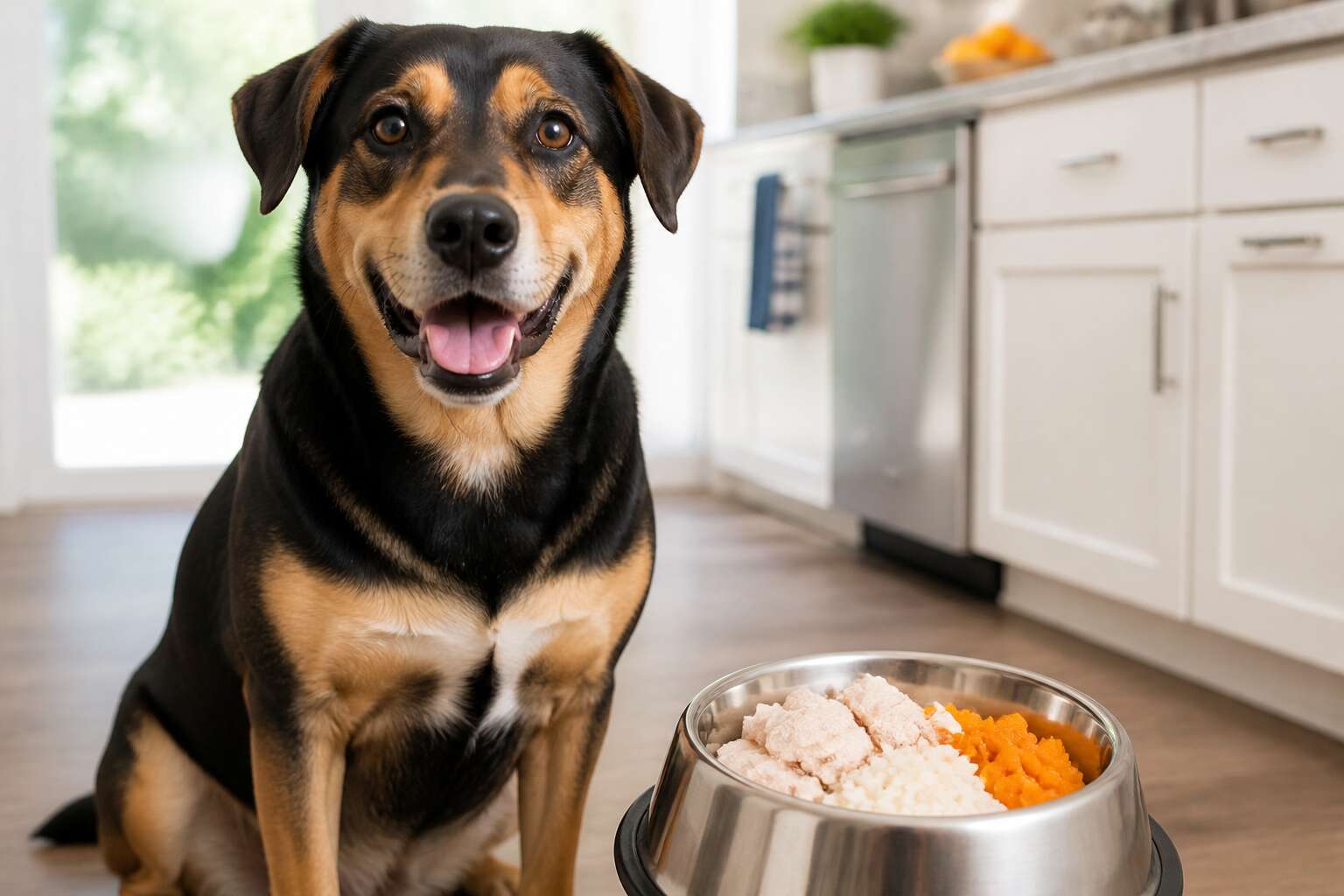
Understanding Canine Digestive Issues
The first sign is often a shift. Your dog lingers at the bowl, licks its lips, or turns away from food that once excited it. These small changes in appetite often precede the more obvious digestive upsets that follow.
Inside the body, the gastrointestinal tract performs a complex sequence of tasks. Food moves through it while acids, enzymes, and beneficial bacteria break down nutrients and defend against invaders. When that sequence is disrupted, the results surface as loose stools, vomiting, or a dull coat. This is where the choice of dog food gastrointestinal support becomes essential.
Several factors commonly disrupt canine digestion:
- Switching brands too quickly without a gradual transition
- Feeding table scraps high in fat or salt
- Allowing access to spoiled food or foreign objects
- Ignoring breed specific sensitivities that run in bloodlines
Each disruption leaves the gut lining inflamed and vulnerable. In my experience, recognising these patterns early gives you a chance to respond before the problem deepens.
Essential Nutrients That Support Gut Health
70% of a dog’s immune system resides in the gut, a fact that transforms how we view their bowl. This hidden universe is a delicate ecosystem, and the nutrients we provide act as its architects. The right ingredients do more than fill a belly; they actively cultivate a resilient internal environment.
Fiber is the primary fuel for this internal garden. It feeds the beneficial bacteria that outcompete harmful pathogens. Without this prebiotic support, the entire system falters. Fermentable fibers like beet pulp or chicory root are particularly effective. They produce short-chain fatty acids, which are the preferred energy source for the cells lining the colon.
Specific ingredients matter more than generic labels when choosing dog food gastrointestinal formulas.
– Prebiotics like inulin or fructooligosaccharides promote beneficial flora.
– Omega-3 fatty acids from fish oil reduce inflammation in the intestinal lining.
– Electrolytes such as potassium help maintain hydration during digestive distress.
Minerals and amino acids are the quiet workers, repairing the mucosal barrier and preventing leaky gut syndrome. This barrier is a crucial defense line. When it is compromised, undigested particles enter the bloodstream, causing systemic issues. A robust gut lining, supported by nutrients, keeps that barrier impermeable. Ultimately, the journey to lasting vitality begins with respecting the complex machinery inside your canine companion and providing the precise fuel it craves to thrive.
Selecting a Digestive-Friendly Diet for Your Dog
The rumble in your dog’s belly at 3am is a signal you cannot ignore. Digestive issues are among the top reasons South African pet owners book veterinary appointments. A sensitive gastrointestinal tract needs a dog food gastrointestinal formula that respects its limits. That means selecting ingredients which are easy to break down and gentle on the stomach lining.
Highly processed kibble often makes matters worse. Seek out options with named meat sources and without artificial preservatives. Some proven additions include:
- Boiled pumpkin for soluble fibre
- Plain yoghurt with live cultures
- A slow transition over seven days
In my experience, every dog reacts differently. What suits an active Labrador may not suit a senior Dachshund. Pay close attention to stool quality and energy levels after switching. The right dog food gastrointestinal plan brings steadier digestion and fewer restless nights. Your vet can help confirm the best route.
Implementing and Monitoring a New Diet Plan
A staggering 62% of dogs face digestive upset, usually from rushed food switches. Changing meals without a plan often ends in distress. Your pup’s gut bacteria need time to recalibrate to new proteins and grains.
Start slowly by mixing the new food into the old. Follow this simple plan:
- Day one to three: 25% new dog food gastrointestinal formula, 75% old.
- Day four to six: a straight 50/50 split.
- Day seven onward: 75% new, 25% old.
Monitoring is the real work. Check your dog’s stool quality daily. A firm log indicates success. Mushy piles mean you are moving too fast. The best dog food gastrointestinal options will fail if you ignore these cues. Remember that every dog is different. What suits a Jack Russell might not suit a Boerboel. Adjust the pace, give the transition a few extra days, and watch closely. Your dog’s stomach will settle. So will your nerves.

0 Comments