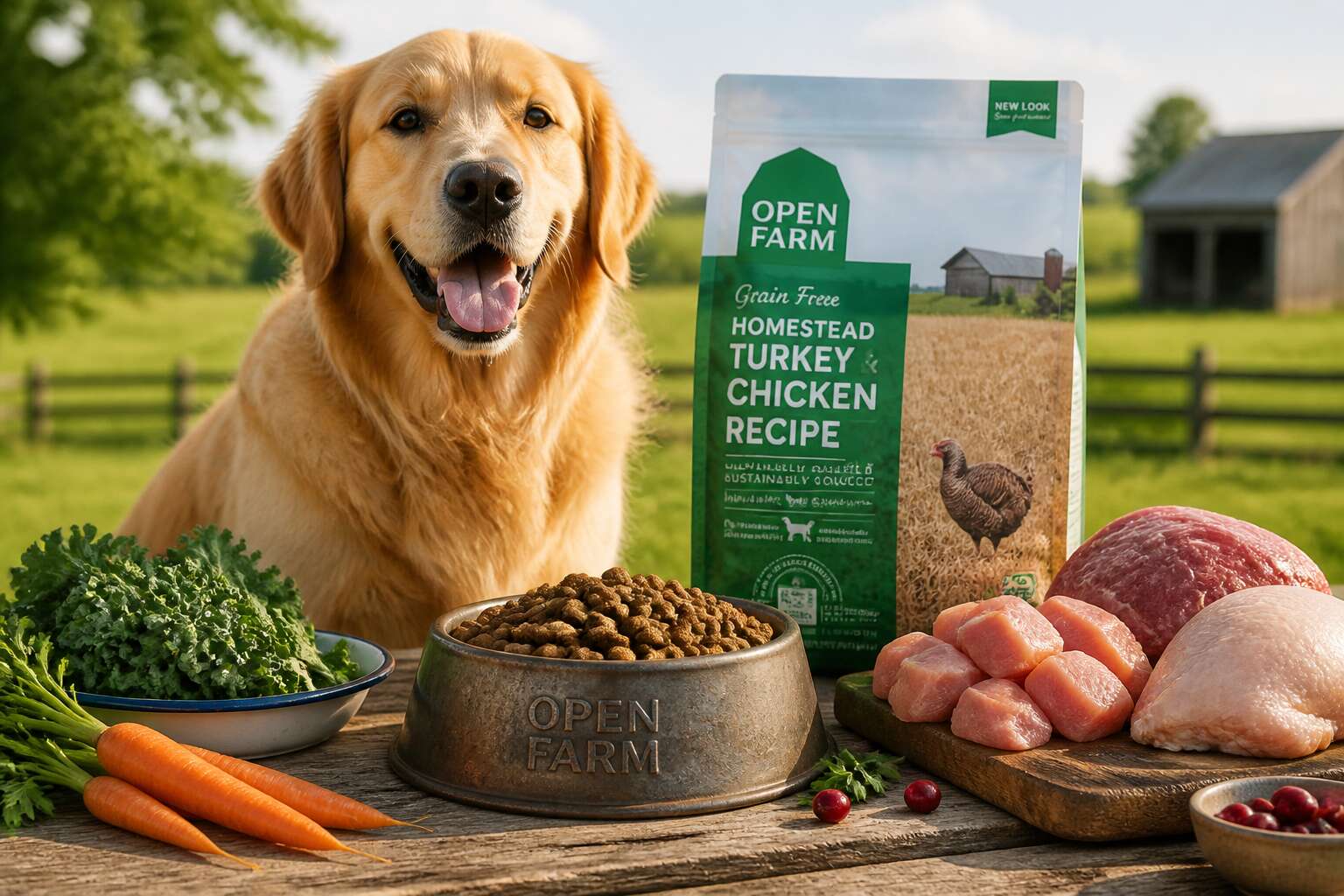
Understanding Open Farm Dog Food
Ninety percent of pet owners read ingredients, yet most still guess at what goes into the bowl. Dog food open farm invites us to stop guessing, offering a transparent supply chain that traces each recipe from farm to kibble. I appreciate the irony: we demand honesty from our friends, but accept mystery from our dogs.
The brand uses ethically raised meats and organic produce, with no artificial preservatives. Understanding its approach requires looking at four pillars.
- Source verification, where every farm is audited.
- Slow cooked recipes that retain nutrients.
- Environmental commitments, from compostable packaging.
- Full disclosure of nutritional values.
This clarity appeals honestly to a South African audience increasingly concerned with food provenance. After all, your dog deserves a dinner you can explain without a footnote!
Sourcing and Sustainability
In a country where drought is common, responsible sourcing is not a luxury. Dog food open farm starts with regenerative farms that rotate livestock across native grasses, rebuilding topsoil with every season.
Here is what the system tracks:
- Water usage per kilogram of protein.
- Soil organic matter percentage.
- Distance from farm to bowl.
I appreciate labels that show the provenance. Each batch comes with a code you can trace to the exact paddock.
Nutritional Quality and Recipe Analysis
Most commercial dog foods rely on bulk fillers and vague protein sources. Open Farm takes a different path, one that begins with a transparent supply chain. They publish the origin of every single ingredient, allowing you to verify the actual farm or fishery. This level of traceability is uncommon in an industry often cloaked in ambiguity. It turns mealtime into a moment of quiet confidence.
The recipe analysis reveals a commitment to nutritional density. The base is always a high quality protein, like wild caught fish or humanely raised beef. This is followed by a careful selection of non GMO fruits and vegetables, which provide essential phytonutrients. The inclusion of cold pressed coconut oil and pumpkin offers gentle digestive support. It is a thoughtfully constructed bowl.
– Every recipe is free from antibiotics and artificial preservatives.
– Protein sources are certified humane or Ocean Wise.
– Ingredients are gently cooked to preserve their natural nutrient profile.
– Each formula includes added probiotics for gut health.
The dog food open farm experience is more than just a meal. It is a direct response to the modern pet owner’s demand for integrity. By prioritising these whole food ingredients, they have created a line that feels both wholesome and deliberate. The texture and aroma are noticeably fresh, which is a testament to the lack of synthetic additives. Ultimately, it is a product that supports vitality without compromise, and your dog will surely notice.
Comparing Open Farm to Traditional Commercial Dog Foods
Your dog watches you eat peanut butter toast with the same intensity a food critic reserves for a three course meal. Yet, when it comes to their own bowl, many South African pet parents are still scooping out kibble with cryptic ingredient labels. The choice between dog food open farm and traditional commercial brands is less about trend and more about clarity.
Traditional foods often rely on meat meals and anonymous by products. Open Farm, by contrast, lists proteins with a provenance you can trace. I appreciate that kind of candour.
Here is what to scrutinise.
Feeding your pet should not require a detective licence. The locavore movement has reached the dog bowl, and it is about time. Cold pressed methods and humane farming practices offer a nutritional profile that standard extrusion processes often degrade. We are talking about a creature that licks its own paws. Surely they deserve better than mystery meat. The shift from factory floor to farm gate changes the conversation completely, one dinner at a time.

0 Comments