Understanding Canine Nutrition Basics
Essential Nutrients for Dogs
Every day, thousands of South African dogs consume meals that miss vital nutrients, setting the stage for hidden deficiencies. Canine nutrition rests on a precise balance of proteins, fats, carbohydrates, vitamins, and minerals. Proteins fuel muscle repair, while fats provide concentrated energy for an active dog. Carbohydrates offer quick fuel, though their quality varies widely.
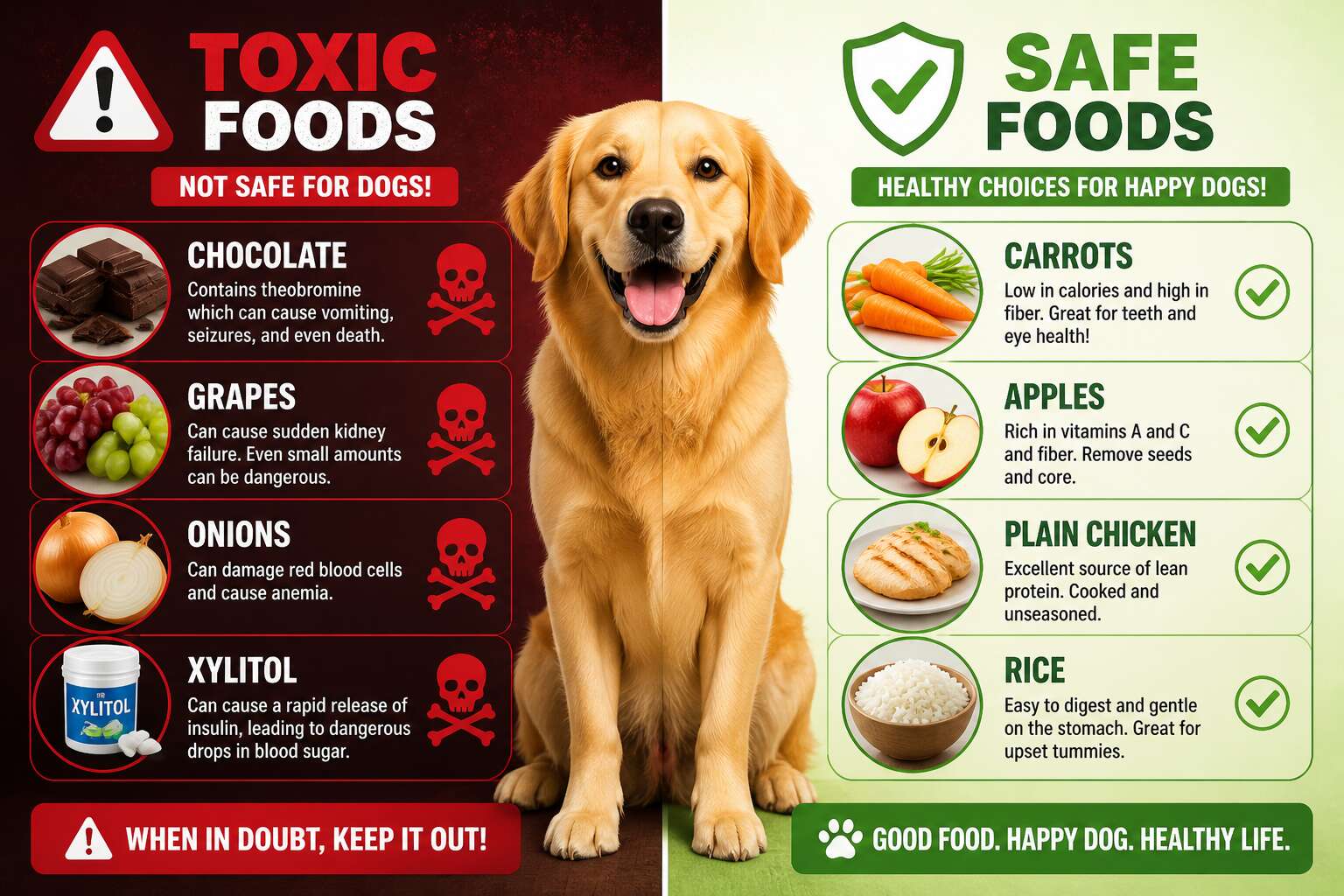
A toxic vs safe dog food feeding chart helps you see how these nutrients shift across different products. Without that reference, you might overfeed protein or underfeed essential fatty acids, both leading to long term health problems.
Consider these core building blocks:
- Animal based proteins for tissue maintenance
- Omega 3 and omega 6 fatty acids for skin and coat
- Calcium and phosphorus for skeletal strength
- B vitamins for metabolic function
Each component interacts with the next, so a balanced bowl matters more than a single ingredient. Understanding these basics lets you read any feeding chart with confidence, spotting safe options at a glance.
How Dogs Process Different Foods
A dog’s digestive tract moves with startling speed. High stomach acid cleaves animal proteins within the hour, and the brief intestinal pipeline pushes waste through before harmful microbes gain traction. This swift physiology works well with meat. It punishes dogs fed on maize heavy kibble, leaving the pancreas inflamed and the liver straining.
Dogs also secrete far less salivary amylase than humans do. When a meal leans heavily on starches, the pancreas receives a blunt demand for enzymes it was not designed to produce. My own ridgeback took months to recover from such a diet, and his coat is still lacklustre. A toxic vs safe dog food feeding chart maps these biological mismatches clearly. It separates feeds that honour a carnivore’s rapid gut from those that merely cap calories with indigestible bulk. The difference shows in energy, stool quality, and the quiet hum of a system working as it should.
Reading Dog Food Labels Effectively
Understanding canine nutrition begins with the label, yet most owners read it backwards. The ingredient list ranks by weight, but the first item is often a named meat that shrinks during processing. A better approach is to examine the guaranteed analysis for crude protein, fat, and fibre percentages. These numbers reveal whether the feed suits a carnivore’s gut.
Reading dog food labels effectively requires attention to preservatives and additives. Ethoxyquin and artificial colourings serve no nutritional purpose. They appear in some feeds as stabilisers or colourants. Check the guaranteed analysis for these markers:
- Crude protein percentage relative to moisture content
- Fibre levels below five percent for adult maintenance
- Fat sources named explicitly, not buried under generic terms
The toxic vs safe dog food feeding chart highlights such ingredients as markers of questionable quality. Nutrient density matters more than serving size. A feed reliant on cheap fillers may meet calorie targets while failing to deliver usable protein.
Recognizing Individual Dietary Needs
Your dog’s metabolism is individual, and the toxic vs safe dog food feeding chart is a guide, not a gospel! Canine nutrition basics demand that you recognise each animal’s unique physiological needs. Age, breed, activity level, and the microbial ecosystem in the gut alter what a dog can safely process. A Jack Russell on a farm burns protein differently than a Great Dane in a Johannesburg flat. Recognising these differences prevents the mistake of feeding a senior dog like a puppy or an allergic dog like a healthy one. Individual dietary needs override any generic table. A chart helps you separate toxic from safe, but your dog’s response to food remains the final editor.
- Puppies need controlled calcium ratios for bone development
- Working breeds require higher fat and protein density
- Senior dogs benefit from lower phosphorus levels
The chart is a starting point, never a verdict.
Common Toxic Foods for Dogs
Dangerous Human Foods to Avoid
The gravest error a pet parent can make is mistaking kindness for nutrition. A morsel of chocolate, a single grape, a spoonful of onion soup. Each becomes a biological emergency in the canine body.
- Chocolate and caffeine contain methylxanthines.
- Grapes and raisins can trigger acute kidney failure.
- Onions and garlic damage red blood cells.
- Xylitol in sugar-free gum causes rapid insulin release.
These foods appear harmless at the table, yet the margin between safety and catastrophe is narrow. A toxic vs safe dog food feeding chart does not list them, because they are not dog food at all. They are intruders. My own kitchen wall carries a laminated reminder, because memory fails when a tail wags during dinner.
Hidden Toxins in Everyday Ingredients
The Poisons Information Centre records hundreds of canine emergencies each year, and the culprits are often ingredients owners would never identify as dangerous. Macadamia nuts trigger hind limb weakness within twelve hours. Avocado pits and skins carry persin, which causes vomiting. Nutmeg contains myristicin, a compound responsible for tremors and seizures. Stone fruit pits from apricots or peaches release cyanide when crushed. Raw bread dough expands in the warm stomach, producing ethanol and dangerous bloat.
A toxic vs safe dog food feeding chart separates deliberate meals from accidental exposures, but hidden toxins blur that line. Spoiled leftovers grow mycotoxins. Mouldy cheese and rancid nuts generate aflatoxins that attack the liver. These hazards sit quietly on everyday pantry shelves, waiting for a curious nose. One careless crumb can turn a normal evening into a veterinary emergency!
Symptoms of Food Poisoning in Dogs
When the first tremors ripple beneath a dog’s coat, the evening meal becomes a scene of quiet urgency. Vomiting and retching arrive within hours. Gums pale. The belly flinches at the gentlest touch. These signs seldom announce themselves gently.
Some toxins advance slowly, leaving a dog listless and refusing water while the kidneys fail quietly. Others strike with neurological fury: muscle spasms, pacing, pupils dilated and unresponsive. A toxic vs safe dog food feeding chart cannot prevent every accident, but it frames what an emergency really looks like.
- Excessive drooling or foaming
- Sudden collapse or hind limb weakness
- Seizures or tremors
- Diarrhoea streaked with blood
When these symptoms surface, even a well studied toxic vs safe dog food feeding chart is only a reference. The appetite is gone. So is time.
Why Some Foods Are Toxic Only in Certain Amounts
One raisin can shut down a Yorkshire Terrier’s kidneys while a Great Dane shrugs off the same dose. The reverse holds for dark chocolate. This asymmetry is why any toxic vs safe dog food feeding chart must weigh body weight, toxin concentration, and exposure frequency.
Certain poisons follow linear thresholds. Xylitol, the sweetener in sugar free gum, forces insulin release at doses well below 0.1 grams per kilogram. Others accumulate silently. Organosulphur compounds in garlic and onions damage red blood cells gradually, with symptoms emerging after weeks of small meals.
- Macadamia nuts cause temporary hind limb paralysis at two grams per kilogram
- Pits and seeds of stone fruit release cyanogenic glycosides only when crushed
- Broccoli florets contain goitrogens that matter only in daily bulk rations
Metabolism shapes toxicity too. Breeds vary in liver enzyme activity. The chart offers a starting point, not a verdict.
The Danger of Artificial Sweeteners and Additives
A feeding chart that ignores artificial additives is a liability. Xylitol, a sugar alcohol in chewing gum and some imported peanut butters, forces a dog’s pancreas to release insulin rapidly. Erythritol and maltitol cause cramps and diarrhoea. Preservatives such as BHA and ethoxyquin accumulate in fat tissue and impair liver enzymes over time. Additives appear on labels as E421, E321, or simply ‘natural flavour’. The toxic vs safe dog food feeding chart should include these substances, beyond simply protein and fat percentages. South African pet owners must check biltong spices, braai marinades, and yogurt for hidden sweeteners.
- Check gum or mints near dog level.
- Read peanut butter labels for xylitol.
- Scrutinise supplements for artificial colours.
These compounds rarely appear in standard feeding guides!
Safe Foods and Healthy Alternatives
Dog-Friendly Fruits and Vegetables
Somewhere between the fear of poisoning your companion and the monotony of kibble lies a quieter question. What can you offer without consulting the toxic vs safe dog food feeding chart every evening?
Safe fruits and vegetables exist beyond the common handful. Carrots, green beans, and pumpkin deliver texture and trace nutrients. Blueberries and apple slices bring sweetness without the chemical load of processed treats. These are not substitutes for a complete diet. They are small negotiations between you and your animal.
Seeds and pits are hazards. Raw or steamed preparation beats frying or salting. Moderation matters because even safe foods carry calories.
- Carrots and cucumber for crunch
- Apple flesh without seeds
- Green beans, steamed
- Pumpkin, plain and cooked
Understanding what is safe transforms how you feed. I have watched the chart become a reference, not a daily dread. You learn to trust the ordinary. That trust is the real gift!
Lean Proteins That Benefit Your Dog
Choosing the right protein for your dog does not require memorizing every line of the toxic vs safe dog food feeding chart. It requires attention to quality and preparation. Lean proteins such as skinless chicken, turkey, and white fish offer essential amino acids without the heavy fat that can strain a dog’s digestion. These meats, boiled or baked without seasoning, become a reliable part of a balanced bowl.
I have seen dogs thrive on modest portions of lean meat added to their kibble. Processed meats like sausages or deli slices contain sodium and preservatives, so they stay out of the bowl.
A simple rotation often includes these options:
- Skinless chicken breast, boiled and shredded.
- White fish like hake, steamed and deboned.
- Lean beef mince, drained after cooking.
Each offers protein without introducing the hidden risks that the toxic vs safe dog food feeding chart warns against.
Whole Grains and Safe Carbohydrates
Whole grains offer dogs a steady source of energy, and the toxic vs safe dog food feeding chart can confirm which grains belong in the bowl. Not every carbohydrate suits a canine digestive tract, but the right ones bring fibre and B vitamins without causing sudden rises in blood sugar.
Rice, especially brown rice, sits well with most dogs. Oats provide a gentle texture, while barley adds a chewy bite. Whole grains are at their most beneficial when served plainly, with no salt, butter, or spices.
Consider these safe additions:
- Cooked brown rice mixed into meals
- Plain rolled oats prepared as a soft porridge
- Pearled barley simmered until tender
I have used these grains for dogs with finicky appetites. Whole grains act as a quiet support system for a dog’s daily rhythm, offering satisfaction without the hidden hazards found elsewhere.
Dairy and Other Questionable Food Groups
Roughly 65% of adult dogs lose the lactase enzyme needed to digest dairy. I have watched owners assume a saucer of milk is harmless, only to deal with the aftermath. Cheese, yogurt, and maas often trigger cramping or loose stools in dogs. The toxic vs safe dog food feeding chart places dairy in a gray zone. Plain yogurt in small amounts can offer probiotics, but many dogs simply cannot handle the lactose.
Other questionable food groups carry their own warnings. Consider these examples:
- Raw egg whites contain avidin, which blocks biotin absorption
- Cooked bones splinter and can perforate the gut
- Almonds present a choking hazard and a high fat load
None of these are blanket poisons. However, they demand careful attention before they ever reach your dog’s bowl.
Hydration and the Role of Water in a Safe Diet
Water is the first nutrient. Every cell in your dog’s body depends on it. Without adequate hydration, even the most careful toxic vs safe dog food feeding chart cannot prevent kidney strain. Offer fresh, clean water at all times! Some dogs resist drinking, so I recommend adding moisture to meals.
Safe foods and healthy alternatives enhance hydration. Cucumber slices, watermelon flesh without seeds, and butternut squash provide water and trace minerals. These options align with a toxic vs safe dog food feeding chart when portioned correctly. For variety:
- Chopped apple without skin or core
- Steamed green beans
- Plain pumpkin puree
Rotate these choices to keep meals interesting. Water remains the baseline. Monitor your dog’s intake. Dehydration symptoms include dry gums and lethargy. Overhydration is rare, but always measure intake.
Building a Safe Feeding Chart for Your Dog
Portion Control Based on Size and Age
A toxic vs safe dog food feeding chart does more than flag dangerous ingredients. It also tells you how much to serve. A Great Dane puppy and a senior Jack Russell have very different needs. Their metabolisms, growth rates, and activity levels vary widely.
Use these portion anchors as a starting point:
- Puppies under six months: three to four small meals daily.
- Adult dogs: two meals per day, scaled to body weight.
- Senior dogs: fewer calories as their metabolism slows.
Always check a toxic vs safe dog food feeding chart when swapping brands. Safe food served in excess still leads to obesity. Underfeeding creates silent nutritional gaps. Measure every serving, and adjust as seasonal activity changes.
Balancing Commercial and Homemade Diets
Balancing commercial kibble with homemade meals demands precision. I have watched owners guess their way through this process, and the stakes are high! A toxic vs safe dog food feeding chart must bridge both worlds, listing what is poisonous and what is merely excessive in large servings.
The challenge is ratio. Commercial food provides complete nutrition. Homemade food adds freshness but also variable calorie loads. I recommend a 75 percent commercial base, supplemented with lean protein from a local butchery or trusted supermarket and fresh vegetables. Keep this record for every transition:
- Protein source and preparation method
- Vegetable portion scaled to body weight
- Oils, seasonings, or sauces used
- Calorie total from both sources
The toxic vs safe dog food feeding chart becomes your fixed reference. It does not change because the food is homemade. It simply tells you which direction to adjust when a new ingredient enters the bowl.
Transitioning to a New Diet Safely
Most South African dogs switch diets without a plan, and their stomachs suffer. Digestive distress leads to many emergency vet visits. A toxic vs safe dog food feeding chart works best when you treat it as a practical tool for transition.
Start by mixing the new food with the old at a ratio of 25 percent new, 75 percent old. Keep that ratio for four days. Then shift to half and half for another four days. Finally, move to 75 percent new and 25 percent old before committing fully.
- Record each meal’s exact weight.
- Note any ingredient that appears twice.
- Measure stool quality daily.
That chart captures what actually happens, not what you hope will happen. The toxic vs safe dog food feeding chart gives an owner early warning when something is wrong.
Monitoring Your Dog’s Health and Allergies
A feeding chart that only counts grams overlooks what matters. Your dog’s body signals arrive in less obvious forms. The toxic vs safe dog food feeding chart becomes a monitoring record when you track skin condition, ear odour, and paw chewing alongside weight and stool notes. These indicators often precede digestive upset by days.
Common allergens in South African dog diets include chicken, maize, and beef. Not every reaction appears as vomiting. Some dogs develop recurring hotspots or chronic scratching.
- Red or inflamed ears
- Excessive licking of paws
- Dull coat or flaky skin
Each observation adds context to the toxic vs safe dog food feeding chart. When you revisit your notes two weeks later, patterns emerge. A clean food transition shows no adverse signs. An allergic response leaves warnings, and that record helps you identify the problem ingredient before it escalates into an emergency.
Consulting with a Veterinarian
The most dangerous feeding chart is the one you assume is correct. A toxic vs safe dog food feeding chart becomes reliable when a veterinarian reviews it against your dog’s bloodwork, gut flora, and body condition score! I have seen owners rely on generic portion tables, then wonder why pancreatitis appears.
Consulting with a veterinarian involves more than asking for a food brand. They will weigh your dog, assess muscle mass, and question you about treats and scraps. That information transforms a generic chart into a tailored plan. A vet may flag foods that seem safe but interact with your dog’s medication. The toxic vs safe dog food feeding chart then reflects real risk, not internet hearsay.
A typical consultation covers these checks:
- Thyroid function and its effect on calorie needs
- Hidden sources of sodium in commercial kibble
- How seasonal allergies alter safe protein choices
Adjusting the Feeding Chart for Activity Levels
Building a safe feeding chart begins with honesty about your dog’s daily reality. The same toxic vs safe dog food feeding chart cannot serve a border collie running 10 kilometres daily and a bulldog napping on the stoep. Activity level shifts the portion. I learned this when my own dog lost weight on a generic table.
Adjust the chart every few weeks, not once a year. A dog herding sheep through the Highveld summer burns far more calories than the same dog resting indoors in winter. When activity rises, increase food by roughly 15%. When it drops, trim back. Small adjustments keep weight stable, and that matters!
- Monthly weigh-ins reveal creeping changes
- Storm fronts often spike energy in working dogs
- Quiet weeks demand smaller portions
Your toxic vs safe dog food feeding chart stays honest only when you update it for movement and season.
Emergency Response and Prevention
Immediate Steps After Ingestion
When a dog swallows something it should not, the next sixty minutes decide everything. The response is chemical and fast. In South Africa, the nearest after-hours veterinarian can be an hour away, and hesitation costs time.
Immediate response is triage, not panic. Remove any remaining food from reach. If vomiting has already happened, inspect it because the contents become evidence for the clinician. A toxic vs safe dog food feeding chart is a prevention tool, but once ingestion occurs, you need a weight, a timeline, and a product description. Keep the packaging; I cannot stress this enough.
Contact your veterinarian or the Poisons Information Centre. Do not induce vomiting without instruction; some substances cause more damage on the way back up. Watch breathing, gum colour, and coordination while you travel. The toxic vs safe dog food feeding chart does not treat; it prevents. Deliver the animal and the facts.
Creating a Dog-Safe Kitchen Environment
A dog-safe kitchen starts with a single rule: keep the countertop as off-limits as the bin. In South Africa, where loadshedding can leave leftovers out longer than expected, that rule becomes vital. A toxic vs safe dog food feeding chart helps you plan meals, but it does nothing for the braai sausage that slips onto the floor. Secure the bin, label containers, and wipe down prep areas immediately.
Three adjustments matter most:
- Store all pet food in sealed containers above ground level
- Keep onions and garlic in a cupboard with childproof latches
- Designate a low shelf for dog bowls, away from human prep areas
Review that chart monthly and update it as new products enter your pantry. The chart prevents the crisis; the kitchen design prevents the need for it.
Teaching Family Members About Food Safety
A toxic vs safe dog food feeding chart is useless if only one person knows how to read it. Every family member, including children who snack near the dog, needs to understand the stakes. In South Africa, the National Poisons Information Helpline (0861 444 666) operates 24/7. Save that number on every phone in the house.
Teach the household to recognize the first signs of distress: drooling, vomiting, tremors. Assign roles before an emergency hits.
- One person calls the vet with the packaging in hand.
- Another stabilizes the dog and clears the area.
- A third fetches the chart and notes what the dog consumed.
Do not wait for symptoms to escalate. A prepared family acts within minutes, and minutes matter more than the chart ever will.
Regular Health Checkups and Dietary Reviews
Emergency response does not begin when a dog collapses. It begins months earlier, at the veterinary clinic. Regular health checkups expose deficiencies that a feeding chart cannot predict. Blood work, stool analysis, and weight trends give the vet a baseline to compare against. Without these records, an emergency becomes guesswork.
Prevention also demands dietary reviews at every life stage. In my practice, the biggest gap in any dog’s history is the treat log. Bring these items to each consultation:
- Current dog food packaging with full ingredient list
- A written log of treats and table scraps
- Your updated toxic vs safe dog food feeding chart
Puppies need different calcium ratios than senior dogs, and breeds prone to pancreatitis require lower fat percentages. The chart is a starting point, not a permanent prescription. Small changes, reviewed regularly, prevent the emergencies that panic phone calls cannot undo.



0 Comments