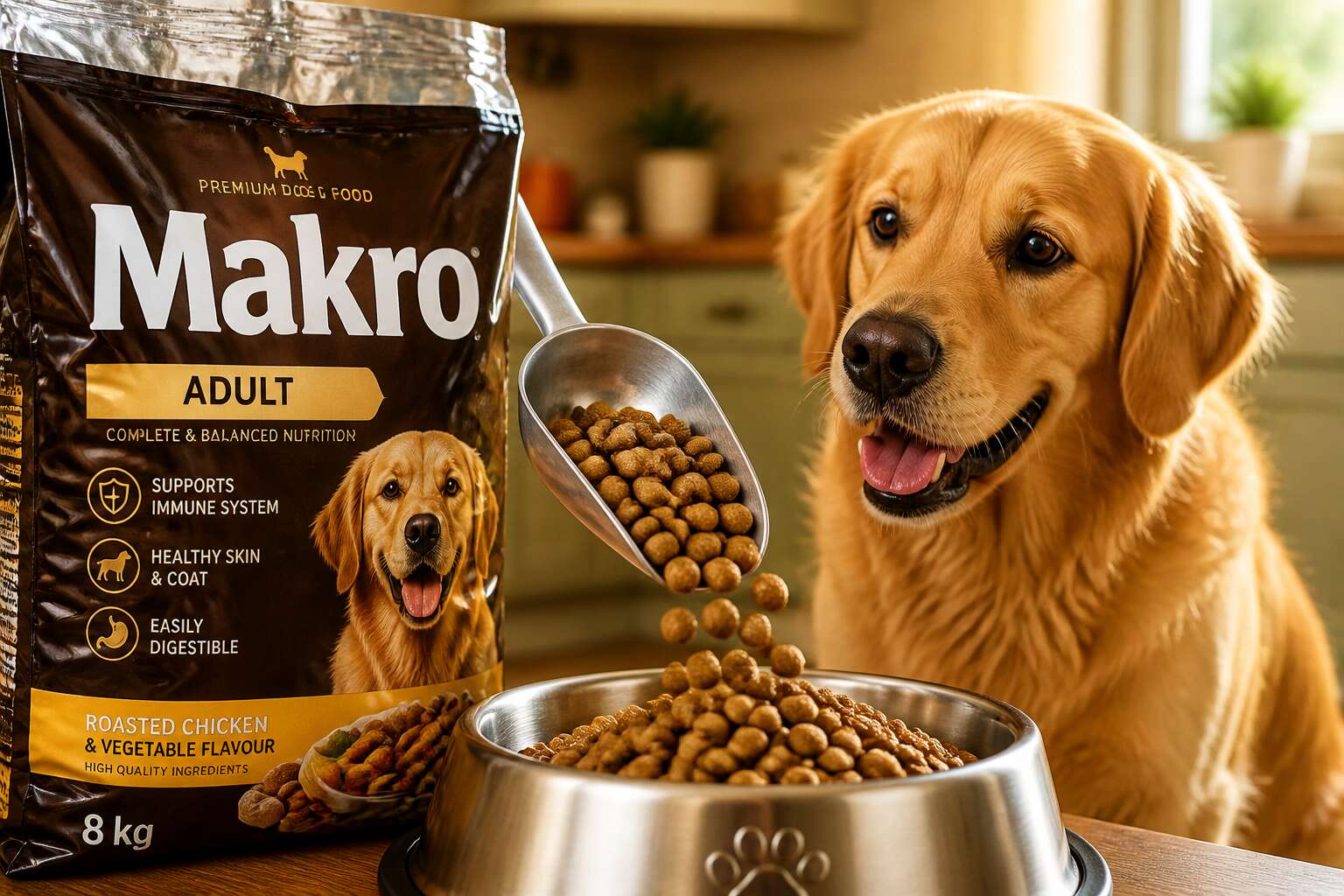
Understanding the Retailer’s Own-Brand Canine Line
Positioning Within the Global Warehouse Club Market
Warehouse club shelves rarely reveal the quiet logic of private label pet nutrition, yet the global warehouse club market now depends on it. At Makro South Africa, the own-brand canine line competes on rand per kilogram rather than pedigree prestige, echoing the private label strategies that Costco and similar operators have refined over decades.
The positioning of Makro dog food rests on three foundations:
- Bulk purchasing power that suppresses raw material costs
- Streamlined logistics through the club’s existing distribution network
- Consistent shelf placement that builds habitual purchase behaviour
Makro dog food occupies a deliberate middle stratum, not the cheapest bag on the floor but far from the most indulgent. I have watched shoppers compare it against premium imports during visits, checking protein percentages against price tags, and the calculation usually ends with the club brand in the trolley.
The Range of Formulas Available for Different Dog Sizes
Makro dog food carries no grand claims, no glossy packaging theatrics. The retailer’s own-brand canine line offers a simple contract: measured nutrition at a price that respects the household budget. I have opened these bags with the same gravity I reserve for any product that feeds a living creature.
The range of formulas available for different dog sizes follows a clear architecture:
- Small breed formulas with smaller kibble and adjusted energy density
- Medium breed options balancing protein and fat for steady activity
- Large breed recipes with controlled calcium and joint support
Each formula answers a specific metabolic demand. The makro dog food line does not chase novelty. It builds quiet reliability, a quality South African dog owners recognize.
Packaging Formats and Per-Kilogram Cost Analysis
The mathematics of feeding a dog begins with the bag size. Makro dog food packaging follows a simple logic: the larger the sack, the lower the per-kilogram tariff. A 2kg pouch suits trial runs or small households. The 8kg and 15kg formats serve weekly routines. The bulk 20kg sack cuts the cost per meal significantly.
On the shelf, the packaging communicates frugality. No resealable zip locks, no window panes. Just a robust polyethylene bag with a clear weight label. Airtight storage becomes the owner’s responsibility.
- 2kg pouch for short trials
- 8kg and 15kg formats for standard feeding
- 20kg sack for multi-dog homes and maximum savings
The per-kilogram cost analysis reveals the real story. Spending more upfront on a bulk sack of makro dog food lowers the monthly feeding expense. Buyers who calculate the tariff per meal often switch formats. Those with restricted pantry space stick to the 15kg option, accepting a slightly higher rate for convenience.
Consumer Perception and Brand Reputation in Pet Communities
Pet owners talk. In dog parks and on community forums, the conversation about makro dog food splits into two camps. Some swear by the price per kilogram. Others quietly admit they tell neighbours the brand name only when asked. There is social currency attached to premium labels, and a warehouse club’s own brand does not always carry that currency. Yet the reputation of makro dog food among South African dog owners rests on something simpler: whether the dog finishes the bowl.
The perception shifts when people see healthy coats and steady energy in dogs raised on this brand. A neighbour’s German Shepherd thriving on makro dog food does more for the brand’s standing than any advertisement. In pet communities, the brand is seen as practical, not glamorous. Owners respect that honesty.
- First-hand feeding trials matter more than marketing
- Community feedback in local Facebook groups shapes buying decisions
- Consistent quality over years builds quiet trust
Ingredient Sourcing and Nutritional Transparency
Primary Protein Sources and Their Origin
Trace a bag of makro dog food back to its source and you will find proteins with distinct geographies! The primary protein sources are not generic slurry. They are deboned chicken from Western Cape poultry operations, beef meal rendered from local abattoir offcuts, and fishmeal from Namibian hake fisheries.
Nutritional transparency varies by brand. Some manufacturers publish exact inclusion percentages. Others use the term “meat derivatives,” which tells you very little. I have compared labels side by side, and the difference is stark. One bag lists chicken meal at 34 percent. Another simply says “poultry.”
- Chicken meal, concentrated and shelf stable, is the workhorse protein.
- Fishmeal adds omega fatty acids, sourced from certified sustainable fisheries.
- Beef meal, while less common, appears in higher protein formulas.
Knowing the origin changes how you assess that per kilogram price.
Grains, Fillers, and Alternative Carbohydrates
Reading the carbohydrate section of a makro dog food label takes the patience of a sniffer dog. Some manufacturers list exact percentages for maize or sorghum. Others simply say “cereal by products” with the vague confidence of a politician. This transparency gap makes it hard to compare the actual cost per kilogram.
The grain source directly affects energy. Whole maize is affordable and supplies dense calories. Alternative carbohydrates, such as sweet potato or barley, provide a slower energy release and are common in premium formulas.
Typical sources look like this:
- Whole maize, the budget friendly base.
- Sorghum, a low cost local option.
- Oats, which add soluble fibre.
The geography of the ingredient dictates the price. South African maize keeps the bag of makro dog food affordable. Imported grains inflate the cost without changing the digestible energy for the dog.
Supplementation and Added Vitamins or Minerals
South African pet owners increasingly ask where the vitamins in their dog’s bowl actually come from. The answer, for makro dog food, lies in a balance of local procurement and targeted supplementation. Sourcing transparency means knowing which minerals arrive from domestic suppliers and which rely on global markets. Zinc and calcium are often added as chelated forms, which are easier for dogs to absorb! Omega fatty acids, frequently derived from fish oil, support coat condition and joint health.
The label rarely reveals everything. However, the inclusion of added vitamins such as vitamin E and B-complex indicates a manufacturer investing in shelf stability and metabolic support. Here is what to look for when comparing bags of makro dog food:
- The specific form of added minerals, such as zinc proteinate.
- Whether vitamin C serves as a preservative or a functional additive.
- The presence of natural tocopherols versus artificial preservatives.
- Full disclosure of synthetic vitamin K or K3.
Quality Assurance Protocols and Manufacturing Standards
South African pet owners rarely see inside a dog food factory, yet the manufacturing standards behind makro dog food determine what reaches the bowl. Sourcing teams vet suppliers for documented origin and storage conditions. The label is only as truthful as the raw material records behind it.
Quality assurance protocols follow internationally recognised food safety frameworks adapted to local regulations. I have watched third party auditors inspect every stage, from receiving dock to packaging line. Batch testing for pathogens occurs before ingredients enter the mixing system, and finished kibble undergoes nutritional verification against the guaranteed analysis.
A traceability review covers:
- Vendor certificates of analysis for each lot.
- Storage temperature logs from arrival to production.
- Microbiological results for Salmonella and Enterobacteriaceae.
The batch code on each bag of makro dog food lets an owner request production details from the retailer. That accountability separates commodity pet food from an audited supply chain.
Reading the Guaranteed Analysis Like a Professional
Reading the guaranteed analysis on a bag of makro dog food is a skill. The crude protein figure is a minimum, not a measure of quality. The crude fat number hints at energy density, yet says nothing about the oil’s origin. Moisture content changes everything. A wet recipe with 78% moisture shows lower percentages than dry kibble with 10%, even when the actual protein per kilogram matches.
Ingredient sourcing for makro dog food leaves a documented trail. Vendor certificates follow each lot. The label’s promises rest on those records.
The guaranteed analysis includes:
- Crude protein and fat percentages.
- Moisture levels that frame every other figure.
- Fibre content and ash residue.
Each element of makro dog food’s guaranteed analysis becomes a clue. The numbers translate into useful knowledge, and the bag reveals more than the marketing ever will.
Potential Allergens and Sensitivities to Watch For
Ingredient sourcing for makro dog food never fully calms the sceptic’s brow. The documented trail of vendor certificates exists, yet consumers rarely see those records. Nutritional transparency stops at the label. This is where allergens complicate matters. Common culprits like chicken, maize, and soy hide in plain sight. Some dogs tolerate a grain heavy recipe without incident, while others react within days. I have watched owners blame everything except the protein base. A quick reference helps:
– Choose single animal protein sources when uncertainty lingers.
– Check for hydrolysed proteins, which often reduce reactions.
– Look for explicit statements about shared manufacturing lines.
Pretty words on the bag cannot replace a cautious first trial. Makro dog food offers variety, but your dog’s immune system does not read marketing.
Matching Formulas to Your Dog’s Life Stage and Activity Level
Puppy-Specific Nutrient Density and Growth Support
A single kibble formula cannot serve a growing puppy and a sedentary senior with equal success. A border collie pup galloping across a Johannesburg park burns energy at a different rate than an adult bulldog dozing on a Durban veranda. The makro dog food range adjusts caloric density and protein levels to suit these distinct metabolic demands.
Puppies require concentrated nutrition, with balanced calcium and phosphorus for skeletal growth and DHA for brain development. Active adult breeds need higher fat percentages to sustain endurance, while lighter formulas help prevent weight gain in seniors.
The makro dog food offerings include specific life stage formulas, each calibrated for the energy output of its target group. A border collie at peak performance and a senior Maltese in a Cape Town flat both receive appropriate nutrition from the same brand.
Adult Maintenance Diets for Moderate Energy Needs
Most guardians notice the shift around their dog’s third or fourth year. The frantic sprint becomes a steady trot. The daily rhythm settles into a predictable pattern of short walks, long naps, and the occasional burst of zoomies. This is the maintenance phase. It is a long plateau, and the nutritional demands are less about explosive growth and more about preserving lean muscle and stable organ function. A dog food formula for this stage must resist the slow creep of weight gain while still providing enough fuel for a decent afternoon stroll.
Feeding an adult dog a performance diet designed for working breeds is a common miscalculation. You end up managing excess energy, which often manifests as restlessness or unwanted barking. The makro dog food range approaches this equilibrium with a deliberate hand, offering formulations that prioritize digestible proteins and moderate fat levels. This creates a state of steady energy without the metabolic spikes that lead to fat storage. The goal is a consistent, reliable fuel source for a life that now values comfort and vitality equally.
Senior Formulas Featuring Joint and Digestive Care
As dogs enter their senior years, the digestive tract grows more particular. Enzyme output declines, and joint cartilage thins. Selecting a formula that mirrors both life stage and daily activity becomes a practical decision. The makro dog food range includes senior recipes with added glucosamine and chondroitin for joint comfort, alongside prebiotic fibre and live cultures to support gut health.
Activity level still shapes nutritional needs. A senior dog that accompanies you on a morning walk has different requirements than one that only wanders to the food bowl. Match the protein percentage to the actual movement. Low fat, moderate protein, and adequate moisture serve the ageing body best.
- Reduced phosphorus to protect ageing kidneys
- Omega fatty acids for cognitive and skin health
High-Protein Varieties for Working and Active Breeds
A working dog burns fuel differently than a weekend walker. Herding breeds, hunting dogs, and agility athletes need a formula that keeps pace. The makro dog food range includes high-protein varieties built for these demands. Protein supplies amino acids for muscle repair and recovery. A guaranteed analysis above 28% crude protein with moderate fat provides calorie density without heaviness.
Matching the formula to the actual workload is an exercise in observation. A young Border Collie sprinting for hours has different needs than a middle-aged retriever on casual trails. Portion sizes and protein ratios shift as the daily movement changes. When activity drops, protein requirements drop with it. A high-protein diet on a sedentary dog leads to weight gain, plain and simple.
For active breeds, the relevant markers when comparing bags include:
- Protein from animal sources, not plant fillers
- Calorie per cup, not per kilogram
- Omega fatty acids for joint health
The makro dog food selection covers both extremes, but the final match depends on your dog’s daily routine.
Weight Management Options for Overweight Pets
Energy needs shift with age and movement. A dog in its prime, working or competing, burns through calories quickly. The same dog, years later, may sleep more and gain weight on the same portion. Reading the body condition is more reliable than reading the label. Makro dog food offers formulas with lower fat and higher fibre for overweight pets, but the transition should be gradual.
- Current body condition and target weight
- Daily exercise duration and intensity
- Age, since metabolism slows with time
Weight management is not about starvation. It is about matching portions to actual needs. A sedentary adult on a performance diet will gain mass. That is why the makro dog food range includes lighter options. The correct choice depends on honest observation of the dog’s routine.
Small Breed vs. Large Breed Kibble Size and Calorie Differences
A retriever pup and a toy poodle share the same instinct to chew, yet their nutritional geography differs profoundly. Makro dog food shelves hold separate bags for each, a distinction rooted in physiology rather than marketing. Kibble diameter matters: small breeds struggle with oversized pellets, while large breeds risk gulping undersized ones!
- Small breed kibble offers higher calorie density per bite, suited to faster metabolisms.
- Large breed formulas control calcium and phosphorus to protect developing joints.
Activity level shifts the equation further. A weekend trail dog needs more fuel than a balcony dweller, even at the same age. I have watched owners feed identical portions to dogs with opposite routines, then wonder at the weight gain! The bag should match the body in front of you, not the photo on the label.
Practical Tips for Bulk Purchasing and Long-Term Storage
Shelf Life, Expiration Dates, and Rotation Strategies
Bulk purchasing from Makro dog food aisles can cut per-kilogram costs by nearly a fifth, yet those savings evaporate if kibble turns rancid before the bag is half empty. The shelf life of dry dog food typically spans twelve to eighteen months from manufacture, but exposure to heat or humidity accelerates fat oxidation significantly. Store opened bags in airtight containers, away from direct sunlight, and keep them off concrete floors to discourage pests and moisture absorption.
Rotation demands discipline. A straightforward system works best:
1. Note the expiration date on the bag with a permanent marker.
2. Place newer stock behind older stock in your storage area.
3. Use the older bag first, without exception.
Check expiration dates before each purchase, and inspect kibble for unusual odours or oiliness once opened. Makro dog food prices make stockpiling attractive, but only monitored rotations preserve nutritional integrity.
Preserving Freshness in Large Bags or Multi-Packs
A 17 kilogram bag of makro dog food seems like a bargain until moisture finds its way inside. When buying large bags, inspect the packaging for tiny punctures before loading your trolley. At home, decant the kibble into food-grade buckets with rubber-sealed lids, but do not wash the original bag out, residual oils can turn stale. For multi-packs, open one bag at a time, and keep the rest sealed in a cool pantry. I prefer freezing portions for long-term storage, thawing slowly to avoid condensation. A simple routine preserves freshness:
- Store bags off the floor on a wire rack
- Keep them away from the water heater or washing machine
- Use a clean scoop every time, never a damp one
If your household runs through kibble slowly, look for resealable pouches instead of multi-packs.
Using Airtight Containers and Climate Considerations
South Africa does not do gentle storage conditions. Anyone who has opened a bag of makro dog food after a Highveld thunderstorm knows the sound of sad, slightly damp kibble. Bulk buying makes sense only when the storage plan holds up, and a 17 kilogram bag in a Gauteng garage faces daily temperature swings that push oils to the surface and draw moisture back in.
Airtight containers mitigate this, but placement matters as much as the seal. Food-grade buckets with gamma seals work best in a cool, shaded cupboard, far from the water heater or direct sunlight. Coastal residents face an inverted problem. Durban’s humidity seeps through ordinary lids, softening kibble and inviting mould, while Cape Town’s wet winters damage kibble stored near exterior walls. A thermometer and a dry cloth are the only tools most owners need, though the seal tends to fail before the kibble does.
Transitioning Your Dog to a New Budget-Friendly Diet
The Recommended 7-Day Mixing Schedule
Switching your dog’s bowl without warning often results in a mutiny of the digestive kind. A gradual shift protects sensitive stomachs and lets beneficial bacteria adjust. The recommended 7-day mixing schedule reduces the risk of loose stools or refusal.
- Day 1 and 2: 25% new makro dog food with 75% old.
- Day 3 and 4: 50% each.
- Day 5 and 6: 75% new, 25% old.
- Day 7: 100% new.
Watch your dog’s energy and stool consistency daily. If softness appears, hold the current ratio for an extra day. This slow titration works for any budget-friendly formula from makro dog food ranges. Patience here pays off with a smooth switch.
Monitoring Stool Quality, Coat Condition, and Energy Levels
After the seven day handover, your dog’s body sends out signals. Stool quality is the most honest review of makro dog food you will ever receive. The ideal deposit is firm, dark, and predictable. Anything runny means the transition needs a pause, not a panic.
Coat condition is slower to change. A dull coat may take three weeks to show improvement. Energy levels, however, respond almost immediately. Track whether your dog initiates play or prefers the couch.
Run these checks daily:
- Stool firmness and colour shift
- Dandruff or flaking skin appearing
- Reluctance to climb stairs or chase a ball
When to Consult a Veterinarian During the Switch
Nearly 60% of South African dogs are overweight, a statistic that often pushes owners toward aggressive dietary changes. Yet the psychological weight of a new food bowl is heavier than we admit.
A shift to budget-friendly nutrition is an exercise in trust. Your dog does not understand cost or nutrient density. They understand routine, scent, and the reassurance of your presence during a vulnerable moment.
When should you call a veterinarian during the switch? Before you panic, and certainly after you notice specific patterns:
– Persistent vomiting or diarrhoea lasting beyond 36 hours
– Visible blood in stool, even a trace
– Refusal to eat for 24 hours straight
– Any signs of facial swelling, hives, or excessive scratching
These are not transitional quirks. They are physiological red flags that deserve professional eyes. A veterinarian familiar with makro dog food options can assess whether the issue stems from ingredient sensitivity, protein quality, or a pre-existing condition the new diet has exposed.
The seven day handover is a partnership between you and the animal. Do not surrender that partnership to guesswork. If the week passes without incident, you have navigated the transition with competence. If problems emerge, the veterinarian becomes your co-navigator, and that is no failure. It is the measured response of an owner who understands that dietary loyalty is built on safety, not stubbornness.
Combining Dry Food with Wet Food or Home-Prepared Additions
When your budget leans toward Makro dog food, the dry kibble often forms the backbone of the meal. Yet some dogs hesitate at a sudden all-dry bowl. A simple solution involves layering moisture and texture through wet food or home-prepared additions. This approach does more than entice a picky eater. It introduces variety without abandoning the nutritional consistency of the base kibble.
Consider rotating a spoonful of tinned wet food, a beaten egg, or a few tablespoons of plain pumpkin puree. These additions should remain modest, roughly 10 to 15 percent of the total portion. Overdoing the extras risks unbalancing the diet and masking the very savings that make Makro dog food attractive.
Keep the base consistent. If you switch protein sources or grain types, do so gradually, even when the wet addition stays the same. The goal remains a steady transition, not a culinary overhaul.




0 Comments