Quality factors in dog foods
Ingredient quality and sourcing
Rising with the sun across the Karoo and coastlines, dog food quality often comes down to what ends up in the bowl. In a recent South African survey, 86% of owners said ingredient quality tops the list when choosing a brand. That emphasis translates into healthier energy, shinier coats, and a quiet wag after the day’s chores.
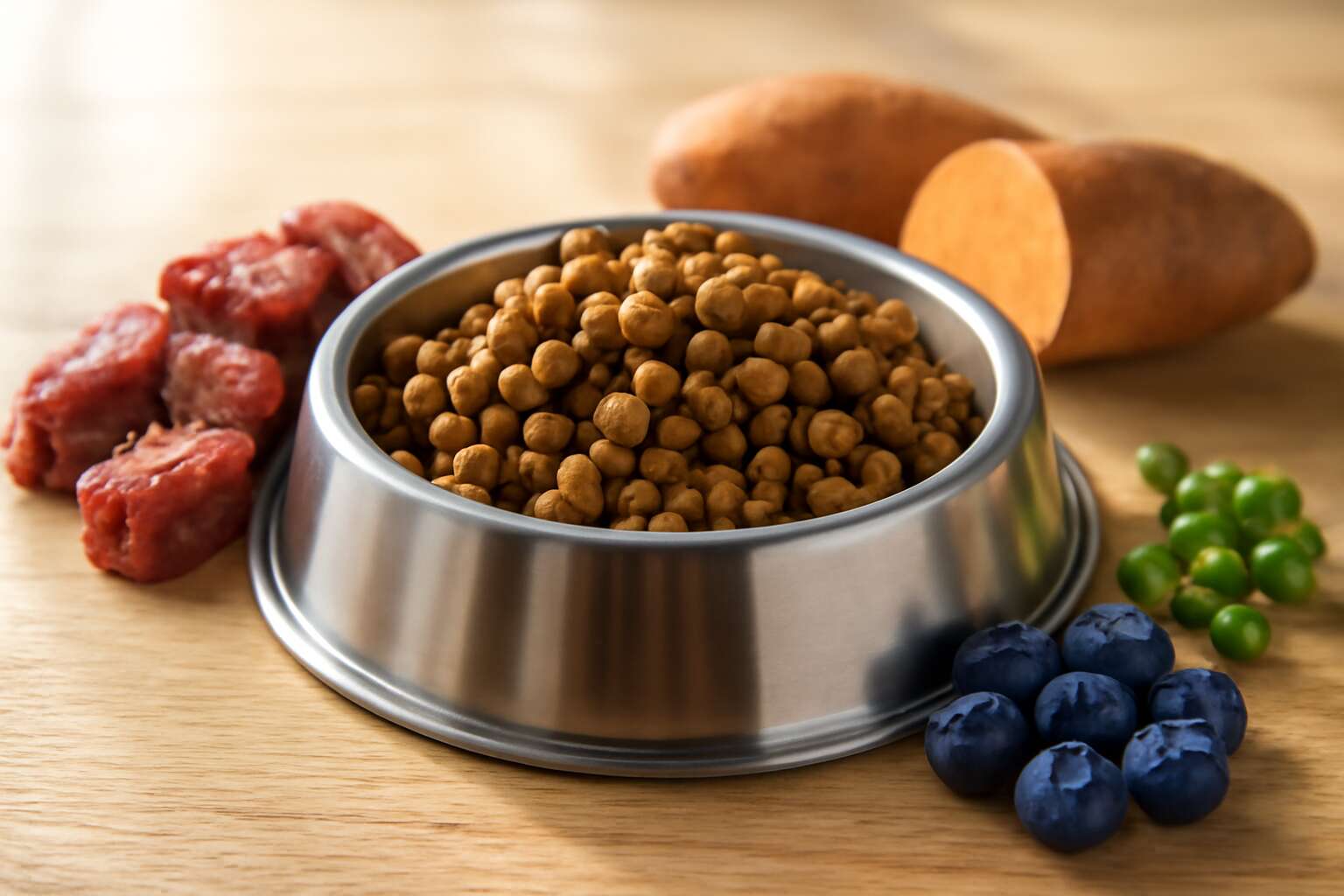
Quality factors in dog foods hinge on ingredient quality and sourcing. Real meat should lead the ingredient list, not mystery by-products. For true dog food quality, ingredient transparency is non-negotiable.
- Real meat or poultry as the first ingredient
- Minimal fillers and clearly named carbohydrate sources
- Traceability to the farm or region and ethical sourcing
Nearby farms and cooperatives weave the local economy into every bag. From field to bowl, care travels a quiet path under the South African sky.
Protein source and digestibility
Protein source and digestibility are the heartbeat of dog food quality. A protein that your dog can actually use supports lean muscle, steady energy, and a calm gut. Digestibility matters more than protein percentage alone, because well-digested protein translates into usable amino acids and less waste. Look for clearly named animal proteins and avoid vague blends that hide fillers. Gentle processing helps preserve nutrients and structure, keeping the protein bioavailable in the bowl. In South Africa, where climates vary and dogs stay active across towns, digestible protein makes a real difference in daily energy.
- High-quality, named animal protein sources with clear origin
- Digestibility and amino acid balance over sheer protein percentage
- Minimal processing that preserves nutrients and gut health
In practice, the label should spell out the protein source and the processing method, giving a transparent view and removing the guesswork.
Carbohydrates, fiber, and digestibility
Carbohydrates, fiber, and digestibility are more than mechanics of a bowl—they’re the quiet drivers of daily energy for South African dogs. Complex carbs from wholesome grains, vegetables, and legumes release steady fuel, supporting active days across towns and climates. In quality dog foods, the subtle balance between fast and slow digesting carbs shapes appetite, energy, and bowel comfort without relying on filler-heavy blends. It’s the balance that keeps tails wagging!
- Prefer complex carbs from named sources such as sweet potato, oats, and brown rice rather than vague inclusions.
- Prioritize fiber types that support gut health—soluble fibers for slow fermentation and prebiotic effects.
- Be wary of products that load starch with little nutritional payoff or rely on carb-heavy fillers.
Digestibility ties directly to processing. Gentle cooking preserves starch integrity and keeps gut flora happy, while over-processing can dull energy curves and stools. When these elements align, you glimpse the essence of true dog food quality.
Additives, preservatives, and fillers
In the quiet algebra of the bowl, additives and preservatives can quietly tilt the scale of dog food quality. They aren’t villains by default, but their presence should be transparent and purposeful, preserving safety while maintaining genuine nutrition.
- Natural preservatives such as tocopherols (Vitamin E) or rosemary extract, extending shelf life.
- Fillers like unnamed starches or plant by‑products that add bulk but little nutrition.
- Artificial colors and flavors that mimic desirability without nourishing.
Quality is a delicate balance; products can boast clean ingredients yet rely on processing that dulls energy curves and stool consistency. The best blends honor both safety and nutrition, without surrendering character or purpose.
Nutrition standards and labeling
Understanding AAFCO statements and feeding guidelines
Labels on dog food in South Africa carry a pulse of truth. A sharp warning from a seasoned vet sticks: read the label, or risk blurred nutrition. AAFCO statements anchor dog food quality standards, separating hype from evidence. When a bag proclaims ‘complete and balanced,’ it’s tied to defined nutrient profiles for a life stage, helping guardians compare options rather than chase marketing fluff. The goal is clarity, not confusion, and that clarity begins with a careful read of the label, even when shadows creep around the acronyms.
- Complete and balanced indicates the product meets AAFCO nutrient profiles.
- Life stage designations guide suitability for puppies, adults, or seniors.
- Calorie content and feeding guidelines appear to help interpret portions without relying on marketing.
By decoding these signals, you can navigate the shelves with confidence, preserving dog food quality as a compass in a sea of choices.
Reading guaranteed analysis and nutrient profiles
Labels on dog food carry real truth in a compact bag here in South Africa. The guaranteed analysis can be a map through marketing fog, shaping dog food quality in plain terms. I’ve watched guardians translate those lines—one line at a time.
Guaranteed analysis lists protein, fat, fiber, and moisture, while nutrient profiles show suitability for growth, maintenance, or seniors. Read them beyond the claims, and you glimpse how calories and balance support your dog’s daily life.
- Guaranteed analysis details
- Nutrient profiles and caloric content
- Calorie content per cup or kilogram
- Label-driven feeding guidelines
Clear label literacy aligns with quality on every shelf, helping guardians cut through the noise.
Ingredient lists and processing statements
In South Africa’s busy pet shops, the label is more than a sticker—it’s a compass for dog food quality!
Nutrition standards slip into the bag’s margins, turning curiosity into clarity. A single line can influence daily vitality and the quiet confidence of guardians.
Nutrition standards and labeling bind makers to minimum nutrient floors and honest declarations. Ingredient lists reveal the formula’s backbone: where meat sources stand in order, what processing statements imply about heat, and how moisture and digestibility are managed. It’s not marketing fluff; it’s daily guidance.
- Ingredient declaration order
- Processing statements (extrusion, drying)
- Nutrition adequacy claims and feeding guidance
Together, these elements illuminate quality, turning a bag into a narrative of balance, safety, and reliability.
Certifications and third-party testing
In South Africa’s bustling pet shops, the label is more than decoration—it’s a compass pointing toward dog food quality. Nutrition standards bind makers to minimum nutrient floors and honest declarations, while processing notes hint at heat and handling. The line between marketing puff and daily vitality is drawn here; a clean label helps guardians translate curiosity into confident care.
Certifications and third-party testing provide a safeguard beyond bold claims. Look for independent analyses that verify nutrient levels and safety, and seals from recognized bodies that signal routine audits.
- Independent laboratory analyses confirm nutrient profiles and contaminants.
- Certification seals and regular audits show ongoing compliance beyond a single batch.
In the SA context, these elements transform a bag into a narrative of balance, safety, and reliability. When you see them together, you get clarity—no fluff, just truth you can rely on.
Choosing among dog food formats
Dry kibble vs wet food: relative quality and practicality
Across South Africa, more than half of dog owners report that the format they choose—dry kibble or wet food—has a noticeable impact on how their dog feels after meals. In the realm of dog food quality, format is a practical variable worth attention.
Dry kibble offers convenience and a long shelf life, while wet food tends to improve palatability and moisture intake. To weigh the formats, consider these aspects:
- Moisture content and hydration
- Palatability and acceptance by finicky eaters
- Storage, refrigeration needs, and packaging considerations
The right balance depends on lifestyle, climate, and the dog’s digestive preferences, all weighed against the enduring standard of quality here in SA.
Fresh and frozen options: when quality shines through
Across South Africa, more than half of dog owners report mood swings or post-meal energy slumps depending on the format—proof that dog food quality can outshine fancy slogans.
Fresh and frozen formats can preserve natural flavors and nutrients better than some shelf-stable contenders, pleasing both discerning diners and pragmatic households. Consider these factors:
- Moisture content supports hydration without extra bowls
- Palatability tends to improve acceptance by picky dogs
- Storage and refrigeration requirements influence daily routine
In the SA landscape, where sourcing and processing vary, choosing between fresh and frozen maps the arc of dog food quality against lifestyle, climate, and digestive quirks.
Freeze-dried and dehydrated options: label-friendly nutrients
Choosing among dog food formats—freeze-dried and dehydrated options—unlocks a hidden truth about dog food quality. These compact formats lock in nutrients and flavor, presenting a label-friendly profile that travels well from shelf to bowl. A simple rehydration ritual can revive aroma and texture, making each meal feel like a fresh cut of nourishment!
- Clear ingredient labels and verifiable nutrient panels for quick scrutiny
- High nutrient density per gram, with reduced reliance on fillers
- Reliable shelf stability across SA climates for effortless transport
- Lightweight portions ideal for travel or busy households
Across South Africa’s varied pantry, freeze-dried and dehydrated formats harmonise convenience with digestibility, letting quality endure when schedules and seasons shift.
Portion control and feeding guidelines
Choosing among dog food formats is a study in balance: nutrition, density, and how portions land in the bowl. The right format preserves dog food quality by delivering energy efficiently and reducing waste. A compact freeze-dried piece may pack more calories per gram than dry kibble, but both demand mindful measurement!
- Consult the label’s feeding guideline and adjust for activity to keep your dog within a healthy range
- Measure portions with a proper cup or scale to maintain consistency
- Transition gradually when changing formats to protect appetite and digestion
Portion control becomes a quiet ritual: a measured bowl, a routine, and a pace that respects the dog’s metabolism and your household schedule. In South Africa, choosing the right format makes feeding predictable rather than precarious for busy households.
Practical tips for assessing quality at home
How to evaluate a new bag: dates, storage, and aroma
Freshness matters in dog food quality, and a striking stat from South Africa’s pet-ownership scene will grab your attention: nearly 1 in 3 dog guardians admit they can’t rely on their nose to tell if a bag is still good. That makes at-home checks essential for every household, safeguarding vitality and gut health with every meal.
How to evaluate a new bag: dates, storage, and aroma. Look for a legible best-by or production date, inspect the seal, and note any off-putting scents as clues to freshness.
- Pack date and best-by labels are clear and readable.
- Seal integrity and packaging give a reliable barrier against air.
- Aroma should be fresh and mild; sour or rancid notes signal trouble.
Storage considerations help maintain dog food quality at home: keep bags upright in a cool, dry place away from heat, and reseal promptly after use to reduce exposure to air and pests.
Monitoring your dog’s response: coat, energy, stool
Quality isn’t just a label on the bag; dog food quality shows in how a dog eats and feels after a meal. In South Africa, guardians notice that a healthy gut is more than a scent test—it’s behavior, posture, and comfort over the day.
Watch for three signals:
- Coat and skin: a glossy coat, minimal itching, and steady shedding patterns
- Energy and mood: balanced activity, willing to explore, regular play
- Stool and digestion: firm, well-formed stools with normal frequency
Those reflections offer a window into overall nutrition without relying on aroma alone.
Common red flags in dog foods to avoid
In a crowded market, we guardians crave evidence over elegance. Across South Africa, households report that the real measure of dog food quality is how a dog relishes the bowl and settles afterward, not the glossy claim on the bag. Watch feeding pace, stomach tolerance, and post‑meal mood as your primary cues.
- Vague protein names or undefined “meat meals” without clear detail.
- Heavy reliance on fillers like corn or wheat that add calories but little nutrition.
- Artificial colors, flavors, or preservatives that feel gratuitous.
- Inconsistent kibble sizes or processing claims lacking transparency.
- Lack of transparent sourcing or third‑party verification.
These quick checks offer a practical lens for assessing dog food quality at home. Prioritise brands that reveal sourcing, maintain batch consistency, and stand by transparent labeling—your dog’s day, and dignity, may depend on it.
Brand comparison checklist: evaluating quality claims
Across South Africa, guardians sift through glossy claims while their dogs teach a simpler truth: quality is felt, not flaunted. When evaluating dog food quality, the real verdict lives in appetite, digestion, and mood after the bowl empties. A pragmatic lens helps separate hype from substance, letting you weigh brands by what they reveal rather than polish on the bag.
Brand comparison checklist: consider these factors when reading quality claims.
- Transparent sourcing and batch traceability
- Third‑party testing or certifications
- Clear nutrient guarantees without vague terms
- Packaging integrity and storage dates
These considerations act as a compass, guiding discernment without prescriptive steps, and quietly elevating the ordinary to something worthy of a loyal companion.



0 Comments