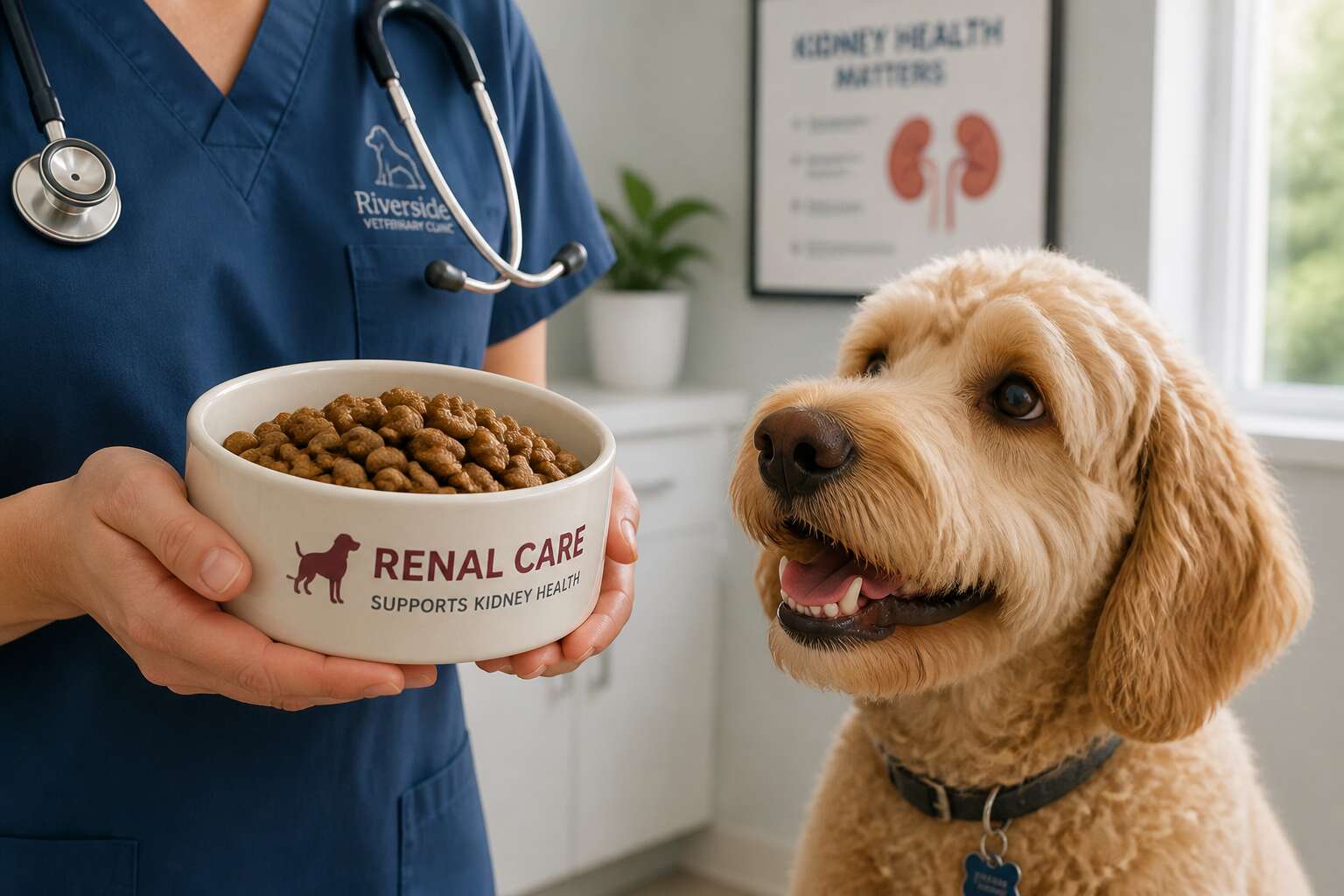
Understanding Kidney Disease in Dogs
What Is Chronic Kidney Disease and How It Affects Dogs
One in ten dogs will develop chronic kidney disease in their lifetime, and that statistic hits close to home for many of us! This condition wears down the kidneys’ ability to filter toxins slowly. As a dog owner, watching your companion lose energy and appetite is heart breaking. The kidneys regulate hydration and electrolytes, and when they fail, waste builds up in the bloodstream.
- Increased thirst and urination
- Dull coat and bad breath
- Reduced appetite and vomiting
Veterinary diagnosis typically involves blood and urine tests. Early detection offers more management options. A dedicated renal care dog food can support kidney function through controlled protein and phosphorus. Switching to this diet often becomes a daily act of love for ailing dogs.
Early Warning Signs and Symptoms to Watch For
Your dog greets you at the door. That is the deception. Kidney disease works quietly while daily routines carry on unchanged. Early signs blend into what looks like ordinary aging, so nobody books a vet visit. That delay costs valuable time!
These clues matter when they cluster:
- Muscle wasting along the spine and hind legs despite a steady appetite
- Urine that turns pale and watery, losing its normal colour
- A metallic fishiness on the breath that no dental chew can shift
- Irritability, confusion, or accidents in a long-housetrained dog
None of these signs confirm kidney disease on their own. But they warrant a conversation with your vet and a deeper look at bloodwork. I have seen too many owners wait for the obvious symptoms, letting months slip by. In that window, renal care dog food has the best chance of making a meaningful difference.
Veterinary Diagnosis and Key Lab Tests
Diagnosing chronic kidney disease requires more than observation. Veterinary diagnosis relies on bloodwork and urinalysis to confirm what early signs only suggest. A single blood sample can unmask the disease before symptoms dominate daily life.
Key lab tests include:
- SDMA (symmetric dimethylarginine), which detects kidney decline months earlier than traditional markers
- Creatinine and BUN levels, which measure filtration efficiency
- Urine specific gravity and protein-to-creatinine ratio, which reveal how well the kidneys concentrate waste
South African veterinary practices commonly offer these tests in senior wellness panels. When results indicate renal insufficiency, a renal care dog food becomes a cornerstone of ongoing management. Earlier diagnosis gives dietary change its best chance to slow progression without waiting for irreversible damage.
Staging of Kidney Disease and What It Means for Diet
Chronic kidney disease does not arrive all at once. It advances in defined stages, each assigned by the International Renal Interest Society, or IRIS, based on blood values and clinical signs. Stage 1 may show no outward change, only a slight dip in filtration. By stage 4, the kidneys have nearly lost their filtering capacity.
Staging matters because diet follows the disease. A stage 1 dog needs only modest adjustments. As the disease advances, protein restriction and phosphorus control become urgent. A renal care dog food suited to stage 2 may differ from what a stage 4 dog requires. Veterinary guidance determines the right formula at each point.
The stages guide dietary decisions:
- Stage 1: Maintain hydration and monitor phosphorus.
- Stage 2: Introduce renal care dog food to reduce kidney workload.
- Stage 3: Tighten protein and phosphorus restrictions.
- Stage 4: Palatability and calorie density take priority.
The Link Between Kidney Function and Nutrition
Every hour, a dog’s kidneys cycle the body’s entire blood volume several times over. They filter waste and hold onto the nutrients that sustain life. When this delicate system falters, food becomes the primary intervention.
The link between kidney function and nutrition is mechanical. The kidneys process dietary protein and phosphorus; every meal adds to their workload or relieves it. A renal care dog food is engineered to ease that burden while preserving muscle mass and vital minerals.
- Lower phosphorus to slow tissue damage
- Controlled protein to reduce waste buildup
- Increased water content to support hydration
Such formulas function as medical tools, not treats. For a dog with compromised kidneys, every bowl is a precise act of care!
Essential Nutritional Components of Renal Care Diets
Restricting Phosphorus to Slow Disease Progression
When kidney function declines, phosphorus levels in the blood rise, creating further damage to fragile renal tissues. Restricting this mineral in renal care dog food is therefore essential. Research demonstrates that dietary phosphorus reduction slows disease progression, and I have witnessed it myself. A seven year old beagle named Max maintained stable kidney values for two years after adopting a low phosphorus diet.
- Bone meal
- Fish meal
- Organ meats
These ingredients deliver phosphorus in highly absorbable forms. A renal care dog food formulation avoids them, instead using purified proteins and phosphate binders. This approach spares the kidneys from unnecessary strain. Every meal becomes a measured act of preservation.
Balancing High-Quality, Digestible Protein
Protein presents a conundrum in renal care dog food. Too little leads to muscle wasting, while too much forces compromised kidneys to process excess nitrogenous waste. The answer lies in selection, not elimination. A renal diet should feature moderately restricted protein levels, with protein sourced from eggs or whey, both of which are highly digestible and biologically valuable.
These purified proteins supply essential amino acids without producing excessive metabolic by-products. When evaluating renal care dog food, consider the qualities that make a protein source suitable for a renal patient:
- High biological value, meaning the body utilises nearly all of it
- Low phosphorus content within the ingredient itself
- Minimal connective tissue, which is harder to digest
This balance preserves lean muscle mass while protecting kidney function, a delicate equilibrium that supports the dog throughout long term management.
Sodium Reduction and Heart-Kidney Connection
High blood pressure often accompanies chronic kidney disease in dogs, yet owners rarely notice it until the damage is done. The kidneys regulate sodium by flushing out excess amounts through urine. When they begin to fail, sodium accumulates in the bloodstream, drawing water along with it. This fluid retention raises blood volume, forcing the heart to pump harder against increased pressure. Over time, the strained heart and damaged kidneys form a punishing loop, each degrading the other further.
The solution lies in careful sodium reduction, a central feature of renal care dog food. The goal is not to eliminate sodium entirely, since a small amount remains necessary for nerve and muscle function. Instead, the diet limits sodium to levels that ease the heart’s workload without pushing the body into deficiency. Controlled sodium intake also helps manage thirst and urine output, which reduces stress on the kidneys. This heart-kidney connection explains why sodium control is as much about cardiac health as it is about renal preservation.
The Role of Omega-3 Fatty Acids in Reducing Inflammation
Inflammation accelerates kidney decline, yet it responds well to dietary adjustment. Omega-3 fatty acids, particularly EPA and DHA, reduce inflammatory molecules in renal tissue. Renal care dog food that includes these fats can lower the strain on damaged nephrons. I have observed dogs on such diets display steadier energy and less muscle wasting.
Other nutrients are equally important. Antioxidants such as vitamin E and selenium protect cells from oxidative damage. B vitamins support red blood cell production, a common shortfall in kidney disease. When selecting a renal care diet, inspect the fat sources:
- Fish oil for high EPA and DHA
- Flaxseed for alpha-linolenic acid
- Krill oil for added phospholipids
These components temper inflammation without masking its symptoms.
Adding B-Vitamins and Antioxidants for Overall Support
Failing kidneys excrete water-soluble vitamins faster than the body can replace them. I have seen dogs turn sluggish from this decline. Folate and cobalamin support red blood cell synthesis, while pyridoxine regulates protein metabolism. A renal care dog food that adds these B-vitamins can slow the anaemia often seen in renal failure.
Antioxidants serve a different role. Vitamin E and selenium bind free radicals in damaged renal tissue, guarding against oxidative stress that accelerates nephron loss. Many veterinary diets now include these compounds at measured doses.
Many premium formulas include:
- Natural vitamin E from mixed tocopherols
- Selenium yeast for better absorption
- An explicit B-complex premix
Choosing the right formula means checking beyond protein and phosphorus.
Hydration and Moisture Content in Renal Formulas
Most renal care dog food decisions hinge on laboratory numbers, but moisture deserves equal attention. A kidney that cannot concentrate urine demands generous hydration. In South Africa’s warmer climate, this becomes even more critical. Wet formulas provide up to 78% moisture, while dry kibble hovers near 10%. That difference explains why many veterinary nephrologists prefer canned or fresh diets.
Essential nutritional components extend beyond water. Potassium citrate buffers metabolic acidosis. Soluble fibre binds uremic toxins in the colon. These additions spare the kidneys from compensatory stress.
- Use water-soaked kibble for picky drinkers
- Serve unseasoned bone broth at room temperature
- Choose renal care dog food in gravy form
Moisture content is a primary factor. It works alongside every nutrient to keep renal tissue viable.
How to Transition Your Dog to a Renal Diet Successfully
The Gradual Mixing Method to Avoid Digestive Upset
Changing your dog’s bowl from familiar food to renal care dog food does not happen overnight. In my practice, I have seen pet owners rush the switch and face distressed tummies. The gradual mixing method lets the digestive system adjust its enzyme rhythms step by step.
Start with a ratio of 25% new food to 75% old food for three days. Then move to half and half for another three days. Finish with 75% new food for the final stretch.
- Week one: 25% renal food, 75% old food.
- Week two: 50% each.
- Week three: 75% renal food, 25% old food.
Watch for softer stools or reduced appetite during each stage! Hold the current ratio if your dog seems uncertain. This method is not about perfection but steady acceptance of the new renal care dog food.
Monitoring Appetite, Weight, and Daily Water Intake
Your dog will not announce that the renal care dog food is working. Dogs mask discomfort, so the onus is on you to read quiet signals. I weigh every patient at each visit. At home, you need a baseline: a loss of two percent body weight signals measurable deterioration in a dog with chronic kidney disease.
Track three metrics:
- Appetite: note how long your dog takes to finish a bowl.
- Weight: use the same scale, same time of day, weekly.
- Water: measure refill volume instead of eyeballing the bowl.
Water intake deserves extra attention in a Durban summer, when dogs drink more from heat. A dog that drinks excessively while eating less is sending a signal, not being picky. The renal care dog food you selected only works if the patient consumes it, so log each variable daily. Small deviations across three weeks reveal more than one perfect day.
Overcoming Picky Eating and Food Aversion
Switching to renal care dog food often feels like a siege. Your dog, once a willing eater, now turns away with theatrical disdain. This is not stubbornness; it is food aversion born from illness. The body associates the new smell with discomfort. To break this, you must make the unfamiliar feel safe.
Warm the food slightly to release aroma. Offer small, frequent meals instead of two large ones. Try these tactics:
- Hand-feed a few morsels as a game.
- Mix a tiny amount of the old food’s liquid into the new.
- Praise every sniff, every lick, every bite.
Renal care dog food cannot work if it sits untouched in the bowl. A refusal lasting two days is a medical emergency. Consult your vet immediately. Sometimes a different protein source or texture ends the strike. Your patience is the bridge.
Splitting Meals and Adjusting Feeding Schedules
Most dogs with kidney disease eat better when their daily food arrives in four small waves. A heavy bowl twice a day can overwhelm a sensitive stomach. Splitting the same amount into smaller portions eases digestion and keeps energy stable. I have seen this simple change transform mealtimes. Adjusting the feeding schedule around your dog’s natural rhythms matters as much as the food itself. Renal care dog food works best when the body processes it without strain.
Observe your dog’s energy peaks. Morning often brings curiosity. Late evening brings calm. The feeding rhythm frequently follows these patterns:
– A larger portion after the morning walk
– A moderate portion in the early afternoon
– A smaller portion before bedtime
Each meal becomes a brief, manageable event. The consistent timing anchors your dog’s internal clock. Over a few days, the body accepts the new routine. The stomach no longer faces long empty stretches or sudden fullness. This measured approach turns the daily ration into a reliable source of comfort.
Working Closely with Your Veterinarian During the Switch
Switching a dog to renal care dog food without veterinary oversight leaves too much to chance. The veterinarian tracks the subtle shifts in blood values that tell us whether the new diet is easing the burden on the kidneys or creating new stress. Each dog responds differently, and the vet interprets those responses through regular blood work, body condition scoring, and honest conversations about what happens at the bowl.
The transition period often needs a tailored timetable. Some dogs accept the new food within four days. Others need two weeks of patience. The veterinarian may recommend adjusting phosphorus binders, changing portion sizes, or revisiting the protein target based on how the dog’s appetite and energy respond. This is why the switch to renal care dog food should never feel like a solo mission.
Bring these observations to each follow-up visit:
- The exact amount eaten at each meal
- Changes in drinking and urination patterns
- Any vomiting, diarrhoea, or unusual fatigue
- Your dog’s willingness to approach the bowl
The vet uses this information to fine-tune the plan. Renal care dog food is not a static prescription. It works alongside medications, hydration support, and regular monitoring. When you report changes honestly, the veterinarian can adjust before small problems become large ones. The goal is a diet that supports your dog’s daily life, not one that merely follows a label.
Work closely with your vet from the first day of the switch. Ask what improvement looks like. Ask what warning signs deserve a phone call. The relationship between you and your veterinarian carries as much weight as the ingredients in the bowl itself.
Choosing the Right Renal Care Food for Your Dog
Prescription Diets Versus Over-the-Counter Renal Formulas
A prescription renal diet and an over-the-counter renal formula may look identical on the shelf. They are not the same!
Prescription diets are formulated to strict phosphorus and protein limits. They undergo feeding trials and carry clinical data. Over-the-counter formulas offer convenience and a lower price, but their nutrient profiles vary between brands and batches.
Key differences include:
– Phosphorus restriction level
– Protein source and digestibility
– Moisture content for hydration
Your veterinarian has your dog’s lab results. Staging information should determine which renal care dog food you choose. I have seen dogs thrive on both, but only when the diet matches the lab work. The correct product depends on the stage of kidney disease, not on packaging. Feeding trial data separates the two categories, and your vet can access it.
Reading Labels: Ingredients, Guaranteed Analysis, and Additives
Reading a kidney support label requires more than checking protein percentage. The guaranteed analysis on your renal care dog food reveals crude protein and phosphorus, but it omits digestibility. I have learned to look beyond the bag’s front. The ingredient list names whole meats, rice, or egg rather than vague by-products. That distinction changes everything! Additives like potassium citrate or omega-3 supplements serve specific functions.
- Phosphorus content, listed as a percentage or mg per 100 kcal
- Specific protein sources, not just total protein
- Moisture level, since wet formulas aid hydration
Some renal care dog food products add sodium bicarbonate. Others include B-vitamins. The guaranteed analysis gives baseline numbers, but your vet must interpret them against your dog’s bloodwork. Matching additives to disease stage matters more than one number.
Wet Food, Dry Kibble, or a Combination Approach
A can of wet renal care dog food holds more water per serving, but dry kibble packs more calories into every gram. That trade-off matters when your dog needs energy without a full stomach. Some dogs chew dry food with ease, while others struggle with dental pain or simply lose interest in hard pieces. Moisture content is not the only variable.
- Calorie density per 100 kcal differs widely between wet and dry forms
- Dental condition changes which texture your dog accepts
- Storage and shelf life after opening affect daily convenience
I have seen dogs thrive on a combination approach, where warm wet food moistens a portion of kibble. This mixture elevates aroma and palatability without abandoning the calorie density of dry food. The exact ratio depends on your dog’s stage and appetite, so your vet’s input is essential. Renal care dog food only works when your dog finishes the bowl.
Age, Breed, and Size Considerations When Selecting a Formula
Age changes how a dog tolerates textures and nutrients. A puppy with kidney disease needs different calorie and protein levels than a geriatric dog, but most renal care dog food lines target adult maintenance. Your vet must confirm the stage and adjust feeding amounts accordingly.
Breed and body size also guide formula choices. Large breeds like Labradors may require more joint support, while small breeds like Chihuahuas have higher metabolic rates per kilogram. When comparing products:
- Check calorie density to match energy needs without overfeeding.
- Look at kibble or can size, as small breeds prefer smaller pieces.
- Confirm the formula meets recognised guidelines for phosphorus and protein.
A tailored approach matters because a one-size-fits-all renal care dog food rarely serves every patient. Age, breed, and size influence how quickly the diet works and how easily your dog accepts it.
Taste Palatability and Your Dog’s Personal Preferences
A stubborn refusal can undo weeks of dietary planning. In South Africa, palatability often determines whether your dog survives on renal care dog food intact. I have watched owners try three different formulas before finding one their pet accepts. Your dog’s personal preferences, shaped by texture, aroma, and temperature, outweigh every nutrient ratio on paper. Some dogs demand fish-based recipes. Others only touch poultry. Observe your dog’s reaction to a small sample before committing to a full bag.
Appetite shifts with kidney disease. What worked last month may fail today. Rotate protein sources within the same veterinary-approved brand. Keep dry kibble sealed and wet food slightly warmed. The correct renal care dog food for your dog is the one they eat consistently, not the one that looks ideal on a label. Trust your eyes and your dog’s nose.
Cost-Benefit Analysis of Long-Term Dietary Management
The cost of renal care dog food in South Africa stuns owners at the till. A 7kg bag runs north of R450, and that figure repeats monthly. The mind rebels. You start calculating what that money could buy elsewhere. Here is the uncomfortable truth: kidney disease does not negotiate. The premium you pay for veterinary formulas directly subsidises your dog’s remaining time. Standard kibble accelerates the decline. Then come the bills for emergency fluids and overnight hospitalisation! That R450 bag suddenly looks like the bargain.
Consider the lifelong ledger:
- Monthly dietary premium versus standard feeding
- Bloodwork and vet consultations every 8 to 12 weeks
- Emergency care costs when diet is ignored
Total the columns. Renal care dog food is not sentimentality. It is arithmetic. I have watched owners gamble on cheap bags and lose months they thought remained.
Alternative and Complementary Nutrition Approaches
Homemade Renal Diets and the Need for Veterinary Guidance
Many owners consider preparing homemade meals when their dog turns its nose up at commercial renal care dog food. The intention is admirable, yet the science requires precision. A homemade renal diet must balance phosphorus, protein, and sodium while maintaining palatability and adequate calories. Without veterinary guidance, even well-meaning recipes can cause nutritional imbalances that accelerate kidney damage.
Consider what a veterinary nutritionist evaluates:
- Phosphorus content per 100g of food
- Protein quality and biological value
- Calcium to phosphorus ratio
- Electrolyte levels for blood pressure control
Each ingredient changes the nutrient profile. A single substitution, like swapping chicken breast for thigh meat, alters fat and phosphorus levels. This is why homemade renal diets belong under close supervision. Your vet can run regular blood tests to adjust recipes as kidney function changes over time.
Supplements That Support Kidney Health and Which to Avoid
Supplements can extend the benefits of renal care dog food, but they should never replace it. Probiotics, for example, help the gut metabolise urea and creatinine, lightening the load on failing kidneys. A veterinary-strength phosphate binder, containing chitosan or aluminium hydroxide, can further restrict phosphorus absorption when blood levels stay stubbornly high.
Some additions cause actual harm. Vitamin D may accelerate soft tissue calcification. Calcium can disrupt the phosphorus-to-calcium balance. Herbal remedies such as licorice root or astragalus lack robust clinical backing for canine kidney disease.
Typical culprits to avoid:
- Vitamin D unless confirmed deficient by blood test
- Calcium unless prescribed by your vet
- Unregulated herbal blends sold online
Run any supplement by your veterinarian, particularly if your dog already eats a complete renal care dog food.
Appetite Stimulants and Feeding Aids for Dogs with Reduced Hunger
Even the best renal care dog food cannot help if your dog refuses to eat. When chronic kidney disease causes reduced hunger, your veterinarian may prescribe appetite stimulants such as mirtazapine. These drugs can reawaken hunger within hours, but they should complement your renal care dog food plan, not replace it.
Feeding aids also matter. Warming wet food releases aroma compounds without damaging nutrients. Offering small portions by hand can trigger curiosity. For nausea, a bland topper like boiled chicken (with vet approval) might encourage eating while still meeting renal goals.
- Use low-sodium broth to moisten kibble
- Offer food at room temperature
- Try shallow bowls to reduce whisker stress
Managing Other Health Conditions That Affect Diet Selection
Multiple diagnoses turn diet selection into a negotiation. A dog with diabetes requires steady carbohydrate timing, while pancreatitis restricts fat to near zero. Bladder stone protocols may demand mineral manipulation. All of these constraints apply on top of the renal care dog food requirements, narrowing the field of suitable formulas considerably.
Veterinary therapeutic diets often combine disease targets, but not every condition pairs cleanly! Some owners use a renal care dog food as the base, then adjust portion size or add a prescription supplement for the second illness. This works only with regular blood and urine testing to confirm that neither disease worsens.
Common conditions that alter the food choice:
- Diabetes mellitus
- Pancreatitis
- Calcium oxalate or struvite stones
- Inflammatory bowel disease
- Osteoarthritis requiring weight management
- Dental disease affecting kibble texture
The final selection balances phosphorus, protein, sodium, and fibre against clinical priorities set by the veterinarian.
Monitoring and Adjusting the Diet as Kidney Function Changes
Kidney function is not a static number. A dog stable for months can shift a stage between routine blood tests, and the diet must follow. This is the essence of alternative and complementary nutrition approaches. Regular rechecking of creatinine, SDMA, and urine protein creates a feedback loop. The renal care dog food that suited your dog in March may need restructuring by September.
Some veterinarians recommend adjusting phosphorus restriction or moisture content in response to trends. Others layer in home-prepared additions under strict supervision, not as standalone meals but as modulators of the therapeutic base. This is responsive feeding, not rigid adherence to a label.
These markers guide adjustment:
- Trends in SDMA and creatinine across consecutive tests
- Urine protein-to-creatinine ratio shifts
- Body condition score and muscle mass changes
- Blood pressure readings
Each data point refines the next meal.
Common Myths and Frequently Asked Questions
Is High Protein Really Harmful for Every Dog with Kidney Disease
Many pet parents assume protein is the enemy, but that’s only half the story. The belief that all protein must be slashed for kidney patients persists, yet it oversimplifies a nuanced condition. Dogs with early stage kidney disease often benefit from maintaining lean muscle mass, and high quality protein can be more important than its quantity. In fact, a diet overly low in protein can accelerate muscle wasting, which complicates recovery.
So, is high protein harmful for every dog? No, says nephrology research. The danger lies in excessive phosphorus and unbalanced amino acids, not protein itself. Renal care dog food is crafted to deliver digestible protein while controlling phosphorus and sodium. Your veterinarian determines the ideal ratio based on your dog’s specific stage and lab results.
- Current kidney function stage
- Protein loss in urine
- Overall muscle condition
Do Grain-Free Diets Improve Kidney Health
A quick scan of pet food aisles might suggest that grain-free is the gold standard. For dogs with chronic kidney disease, that assumption deserves scrutiny. Grains themselves do not drive kidney failure; phosphorus and imbalanced protein do. Some grain-free formulas actually contain higher phosphorus levels from pea protein or potato starch.
The real question is whether the recipe aligns with renal care dog food guidelines. That means controlled phosphorus, digestible protein, and adequate moisture. A grain kernel is not an automatic liability, and the same is true for a grain-free ingredient list.
- White rice and barley are low in phosphorus and can provide safe energy.
- Peas and sweet potato are common grain-free fillers with moderate phosphorus.
- Check the guaranteed analysis rather than relying on marketing language.
In my practice, I have seen dogs thrive on renal formulas that include grains, while a grain-free diet left their renal markers unchanged. The nephrology consensus is consistent: focus on mineral balance, not grain exclusion. For pet parents weighing options, a renal care dog food with proven phosphorus control is a safer bet than a grain-free label.
How Long Can a Dog Thrive on a Renal Care Diet
Pet owners often ask whether a dog can live out a full life on renal care dog food. The answer is nuanced. Some dogs maintain good quality of life for years after diagnosis, especially when the diet is introduced early. Others may decline despite perfect feeding.
Common misconceptions include:
- Renal diets mean zero protein.
- Only prescription brands work.
- Once started, the diet never changes.
The truth is that these diets adjust to each stage of kidney disease. A dog’s lifespan depends on the underlying cause, the stage at detection, and consistent monitoring. Veterinarians in South Africa see many dogs stable on such formulas for one to three years, sometimes longer. The goal is not a magic number but sustained comfort.
Why Won’t My Dog Eat the Prescribed Renal Food
When a dog refuses the prescribed diet, owners often blame the food itself. More often, the culprit is uremia, which causes nausea and changes how food smells. The renal care dog food might be perfectly fine, but the dog feels sick.
Common questions include: Should I mix it with something? Is my dog being stubborn? Actually, kidney disease alters taste buds. Some dogs prefer warmer food, others need smaller meals.
- Nausea from toxin buildup
- Medication side effects
- Sudden switch without gradual mixing
These factors explain most refusals. Addressing the underlying discomfort matters more than forcing the meal.
Can Renal Diets Be Fed to Healthy Dogs Preventatively
A common myth claims renal care dog food works like a vaccine for kidneys. Owners feed it to healthy dogs, hoping to prevent future disease. The logic seems sound, but it bypasses how these diets actually function. Renal care dog food restricts phosphorus and protein to reduce workload on damaged organs. A healthy dog does not need that restriction. In fact, a healthy dog requires full protein and phosphorus levels to maintain muscle mass and cellular function. Feeding a renal formula preventatively can create nutritional shortfalls over time.
Another frequent question asks whether the diet causes harm if a dog eats it for a week. Short-term feeding, say during a misdiagnosis scare, is unlikely to cause damage. The bigger concern is long-term use without veterinary indication. Puppies, pregnant females, and active working breeds need higher protein for growth or performance. Restricting these nutrients without medical reason can impair recovery and immunity.
Some owners wonder if a renal diet also protects other organs like the heart or liver. The diet is formulated for kidney-specific issues. Sodium control does support heart health, but the protein and phosphorus balance serves renal function first. A healthy dog eating this food long-term may lose lean body mass without any benefit. Regular maintenance diets offer a complete profile for healthy adult dogs.
There is also confusion about whether a renal care diet can hide early kidney problems. It cannot. No food repairs damaged nephrons. A diet only slows progression after a veterinary diagnosis. Without blood tests and urinalysis, you cannot know if your dog needs this food. Prevention belongs in regular checkups, not in the bowl.
A final question concerns switching back. Owners ask if a dog with healthy kidneys can rotate between renal food and regular food. Rotating creates inconsistent nutrient intake. A stable, balanced diet remains the safest path. Consult your vet before making any switch. They can calculate the correct calcium-to-phosphorus ratio and protein percentage for your dog’s specific stage of life.


0 Comments